
How to Clean Your Firearm – Cartridge Firearms
STEP 1 – Safety First
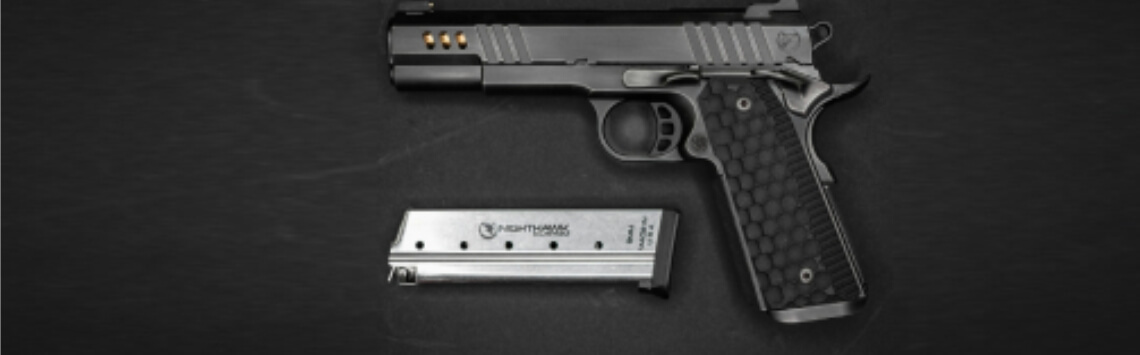
Before cleaning the firearm:
- Ensure it is unloaded — remove the magazine and check the chamber. Keep all ammunition away from your work area.
- Work in a safe, well-ventilated environment and use protective gloves and eyewear.
STEP 2 – What You Need
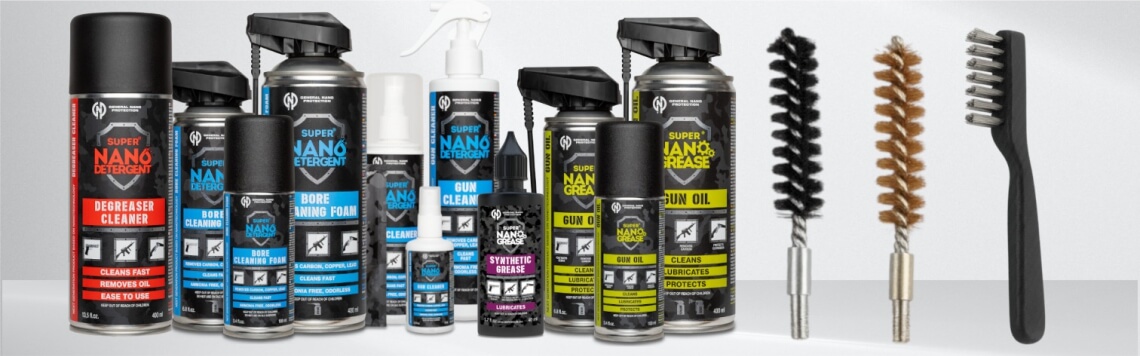
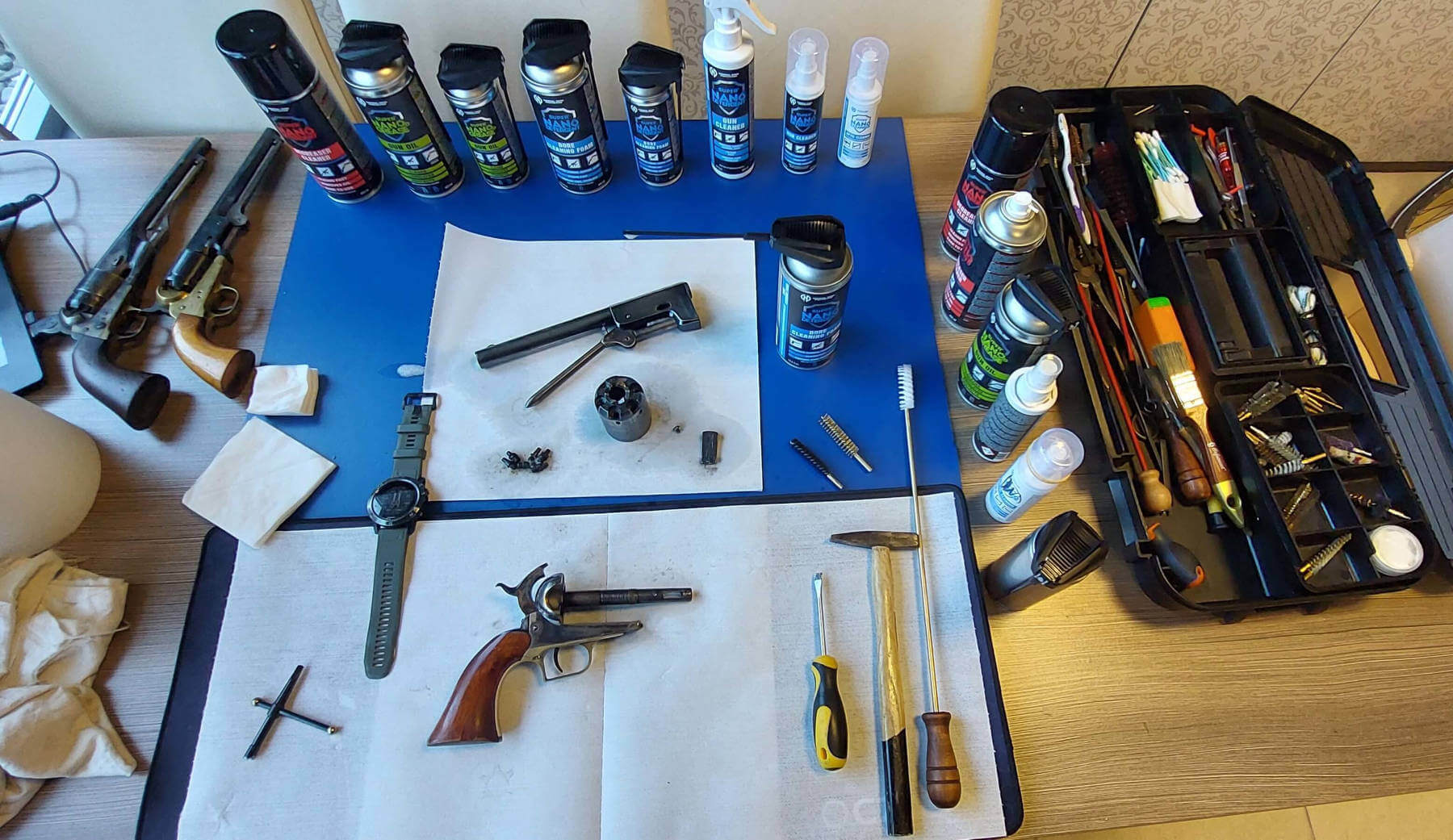
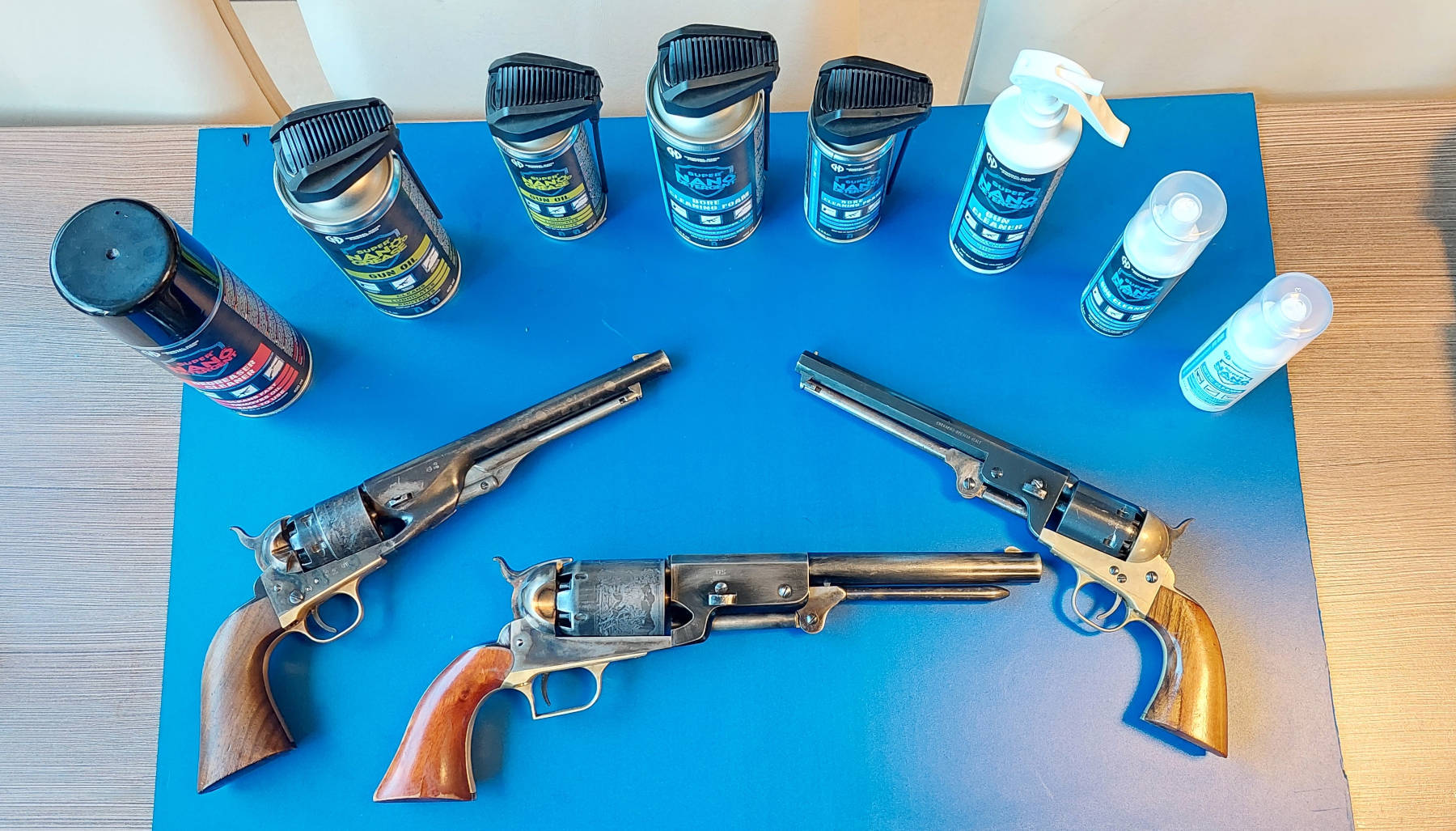
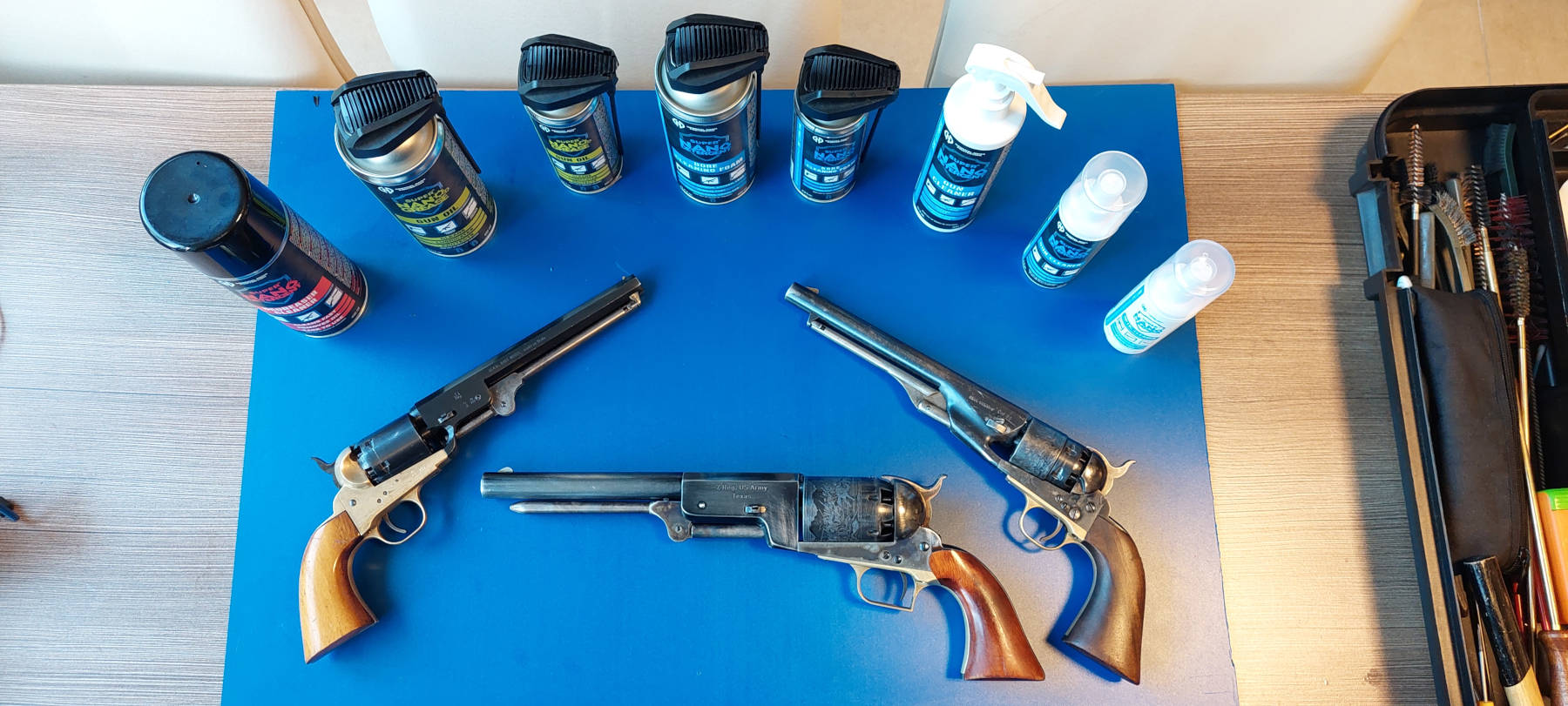
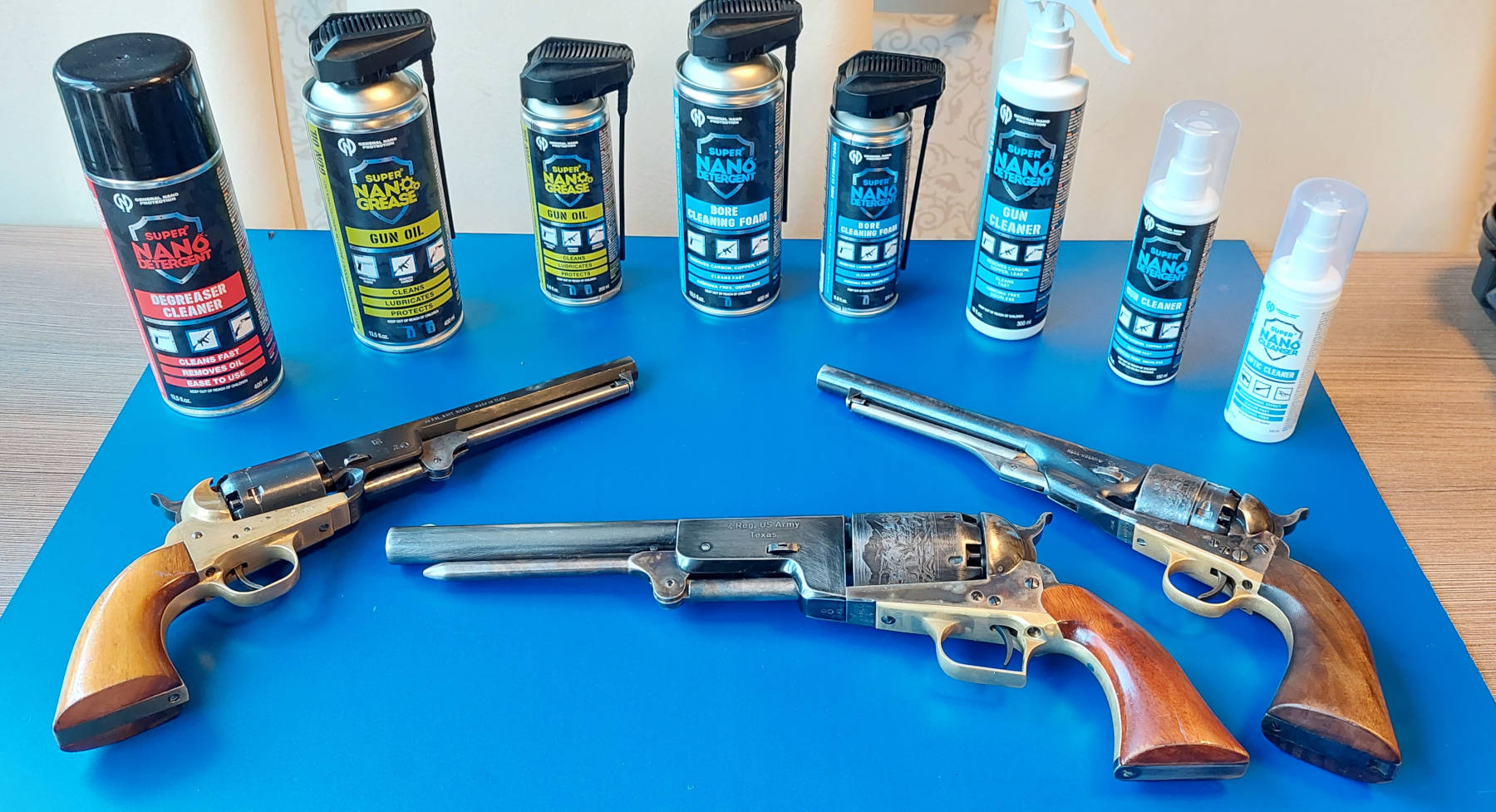
GNP cleaning products:
- Degreaser Cleaner – removes old oil, grease, and deposits.
- Gun Cleaner – removes carbon fouling, grease, and metallic residue.
- Bore Cleaning Foam – eliminates stubborn fouling from inside the barrel.
- Gun Oil – lubricates and protects against rust and excessive wear.
Tools:
- Cleaning rod, bore snake (caliber-matched), or brushes.
- Cotton patches, cloths, and swabs.
- Compressed air (optional).
STEP 3 – Preparing for Cleaning
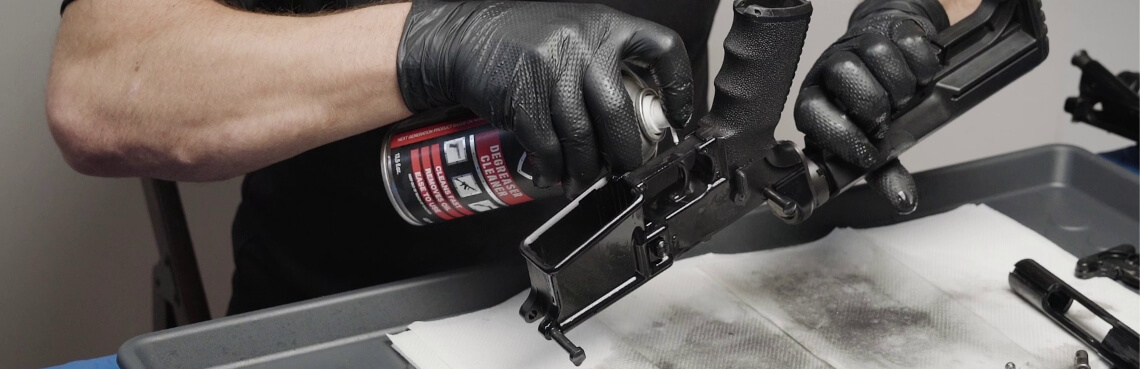
- Disassemble the firearm according to the manufacturer’s instructions.
- Remove visible dust and dirt using a soft brush or compressed air.
STEP 4 – Deep Cleaning
Use Degreaser Cleaner:
- Spray on all dirty parts to dissolve oil and dirt.
- Wipe off excess or allow it to evaporate naturally.
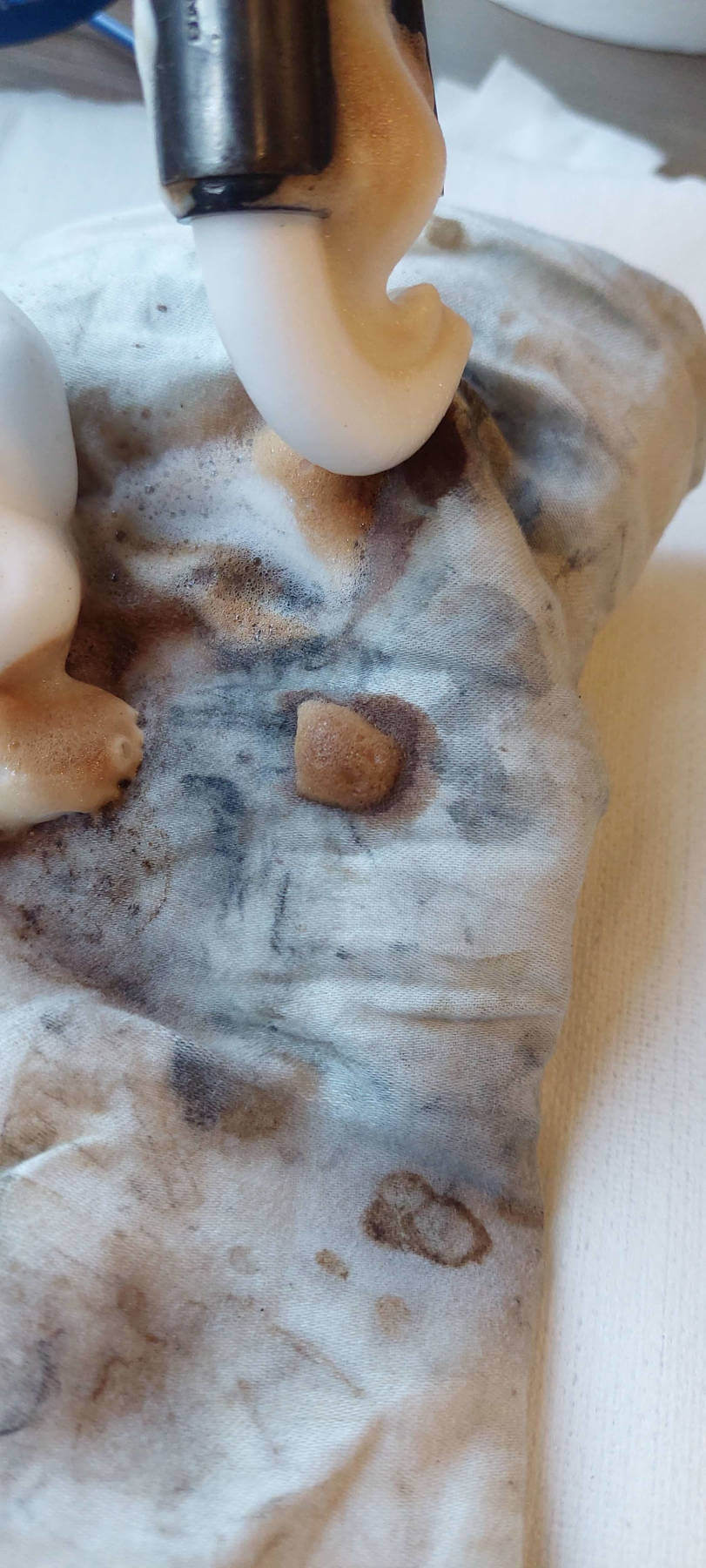
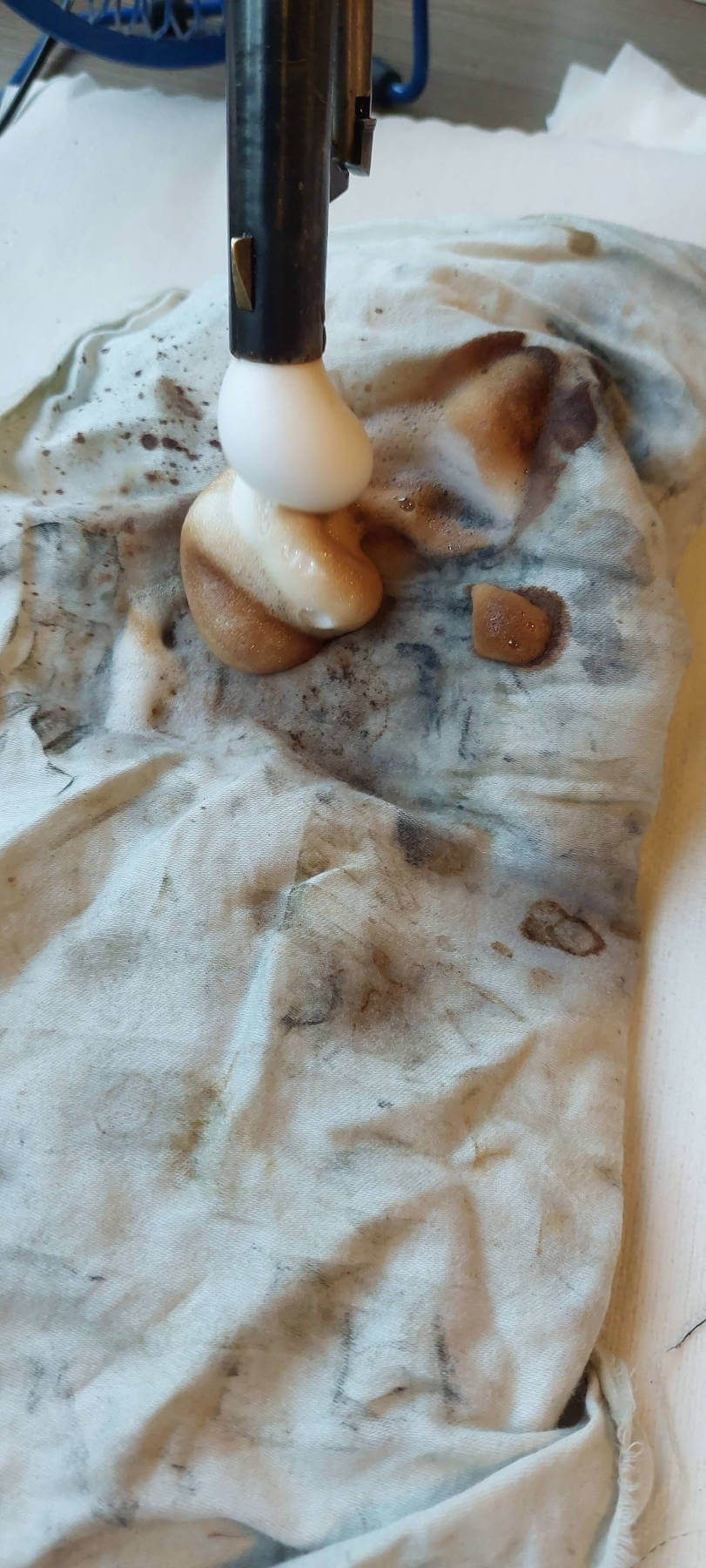
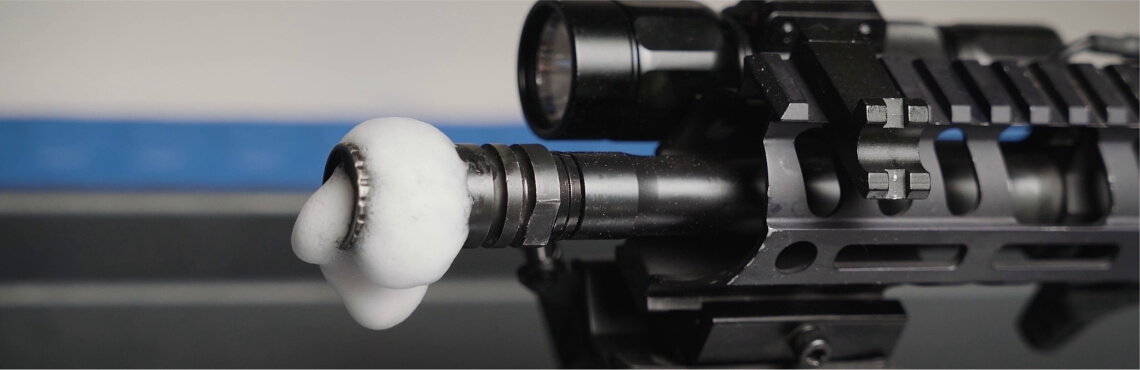
Apply Bore Cleaning Foam (for barrel cleaning):
- Spray inside the barrel and leave for 10–15 minutes.
- Run a cleaning rod or bore snake through the barrel until it is clean — the foam will stop changing to a blue colour.
Use Gun Cleaner (for remaining dirt and carbon fouling):
- Spray on all soiled parts. Wait 2–5 minutes.
- Scrub with a brush or cloth, then wipe clean.
General degreasing:
- Spray Degreaser Cleaner over all components to remove any remaining cleaning agents.
- Wipe dry with a clean cloth.
Apply Gun Oil (for general protection):
- Lightly coat all metal parts to prevent corrosion.
- Remove any excess oil from the barrel before shooting.
STEP 5 – Reassembly and Storage
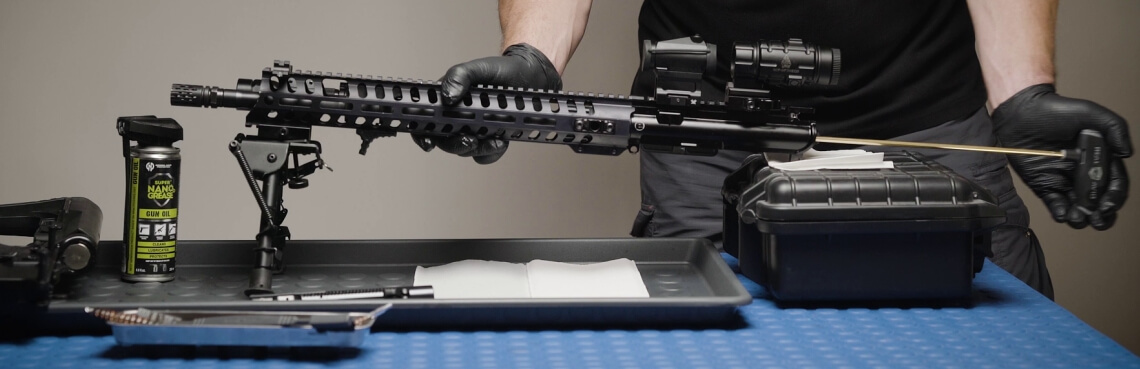
- Reassemble all parts and check that everything functions correctly.
- Store the firearm in a dry, secure place, away from moisture and unauthorised access.
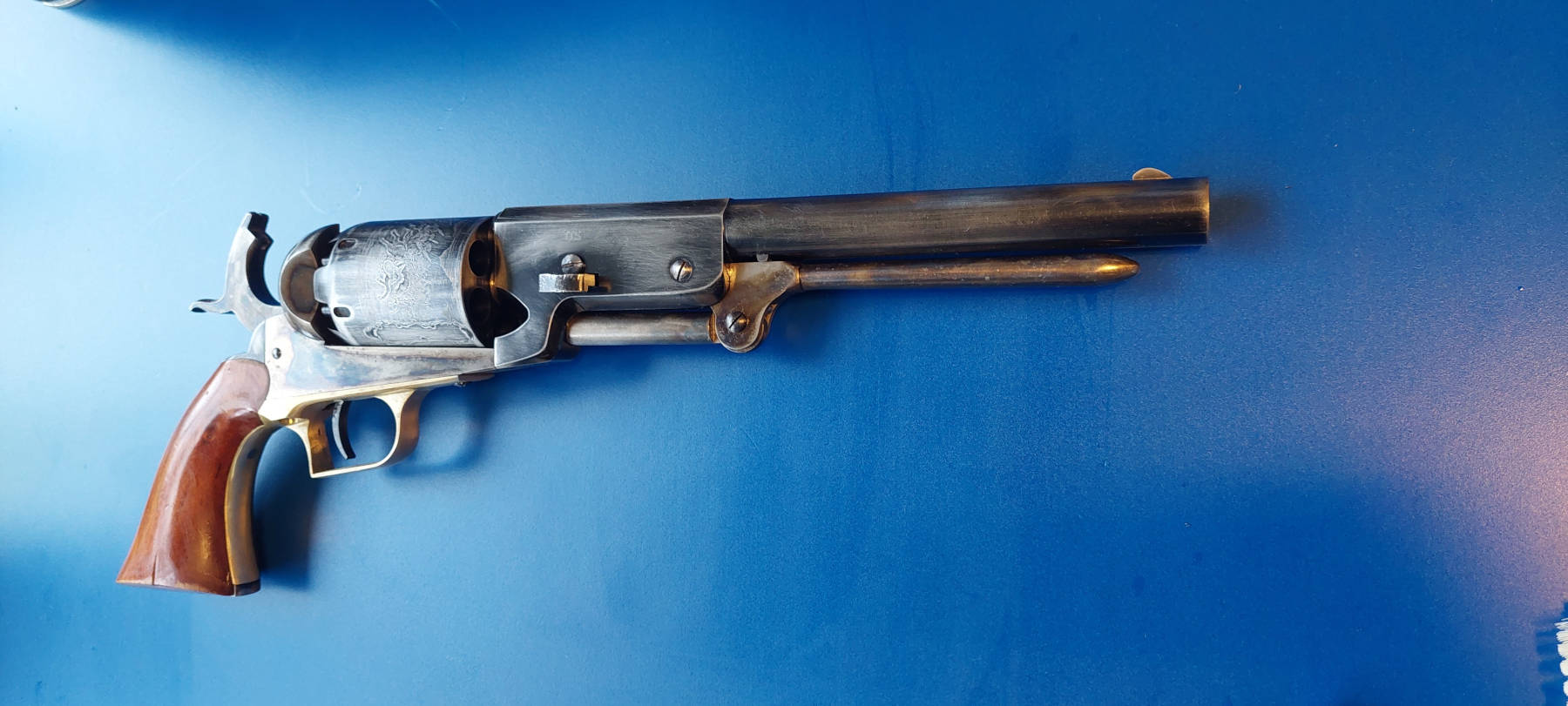
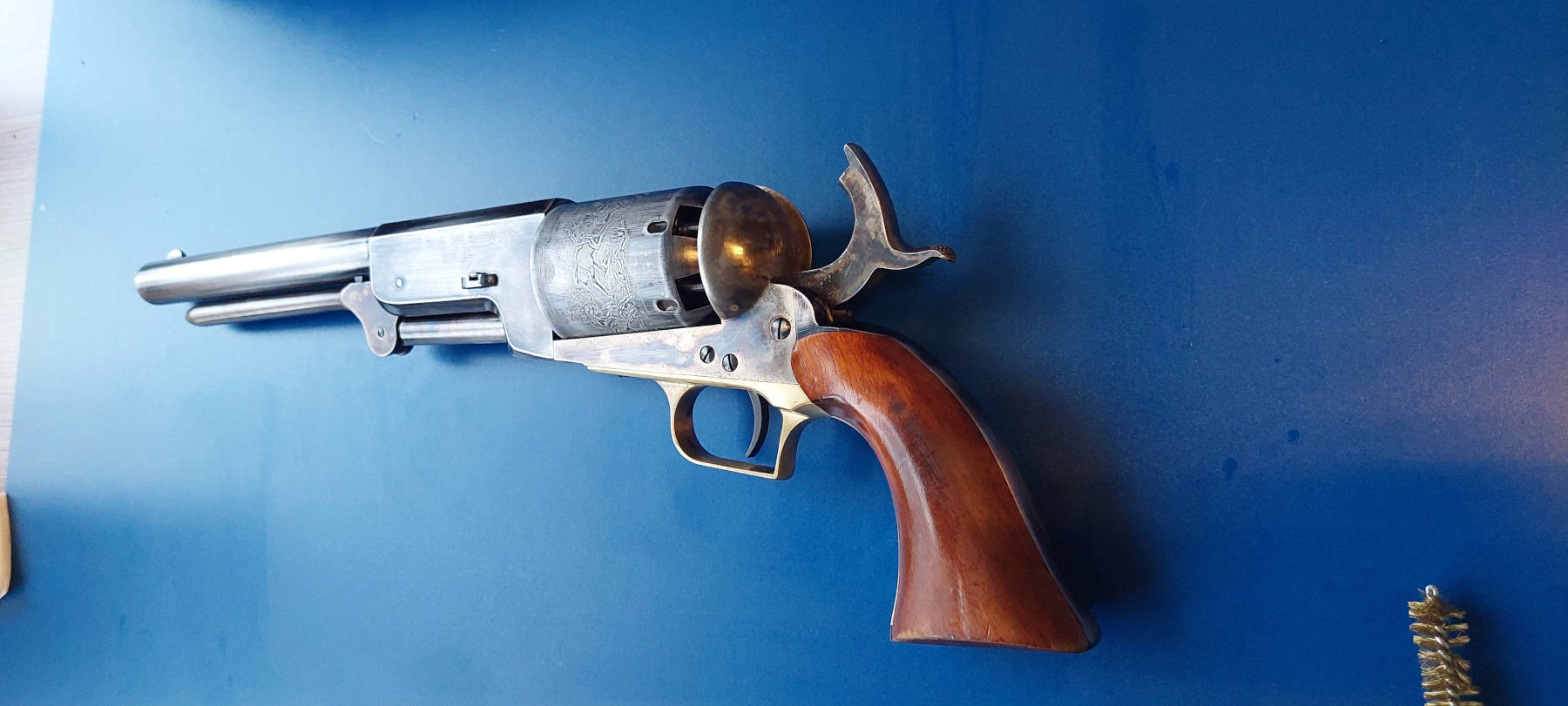
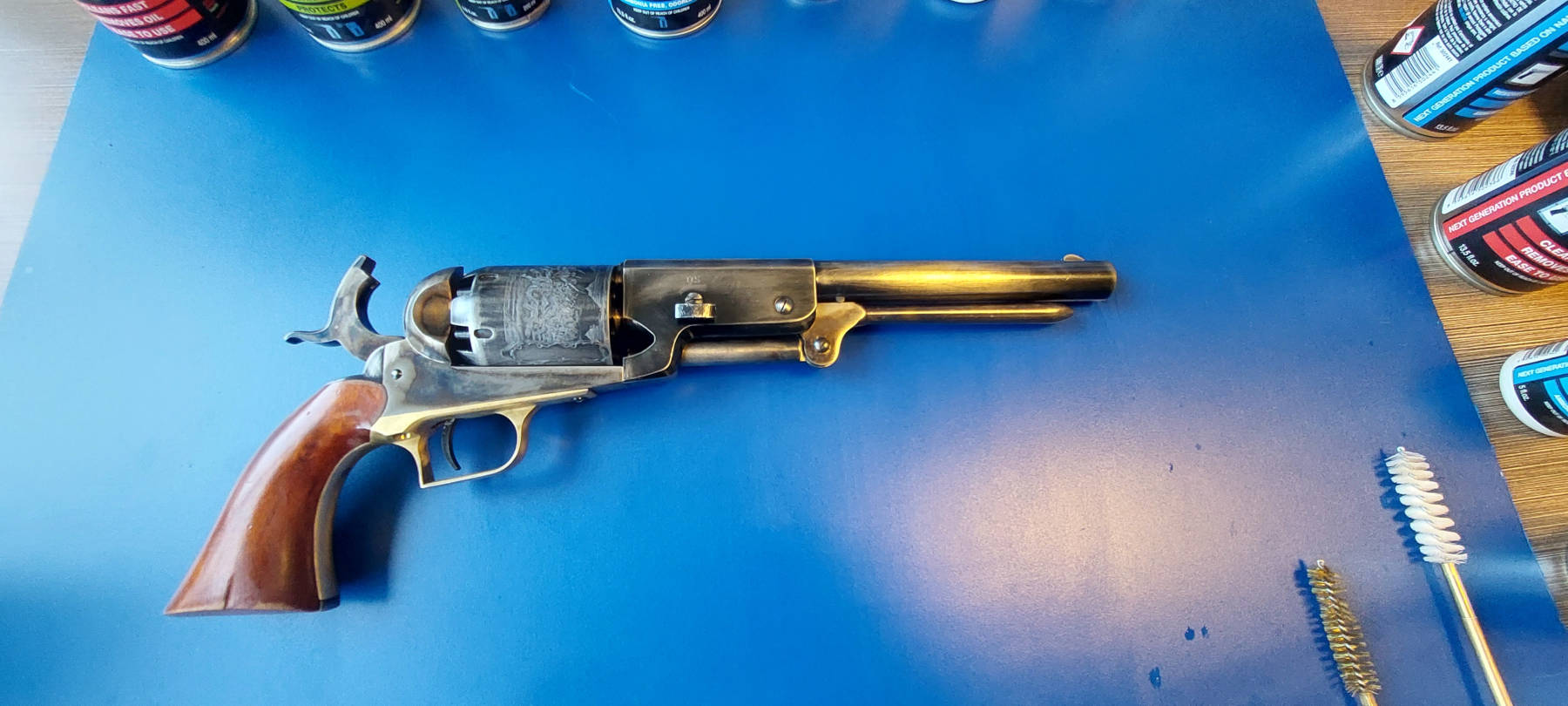
How to Clean Your Firearm – Black Powder Firearms
STEP 1 – Safety First
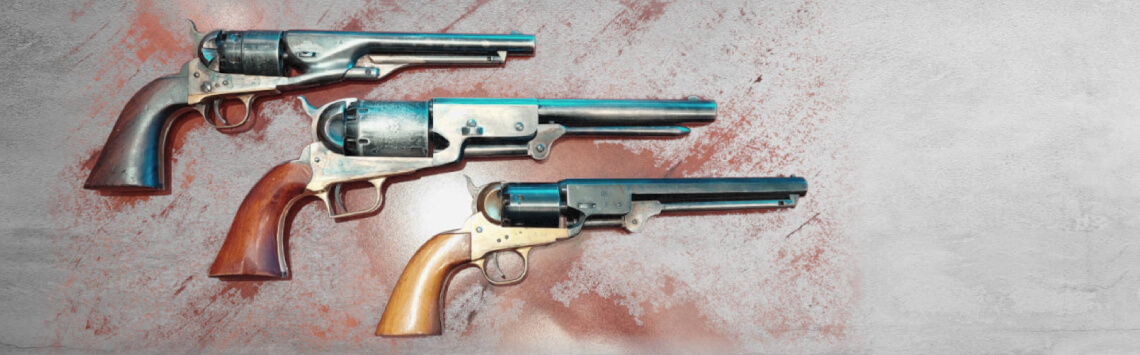
Before cleaning the firearm:
Ensure it is unloaded — check that no powder charge or percussion cap remains in any chamber, and that the cylinder is empty. Keep all powder, caps, and projectiles away from your work area.
Work in a safe, well-ventilated environment and use protective gloves and eyewear.
STEP 2 – What You Need
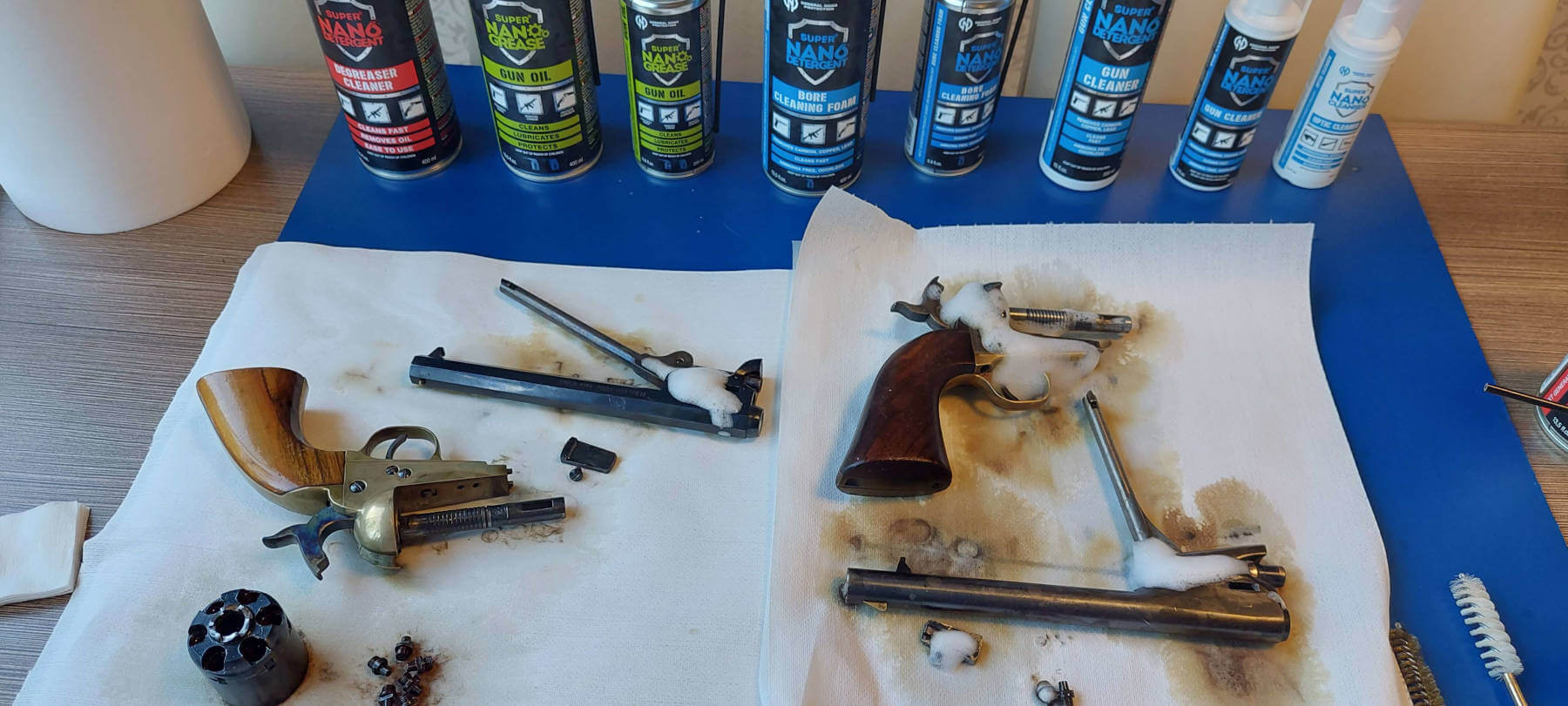
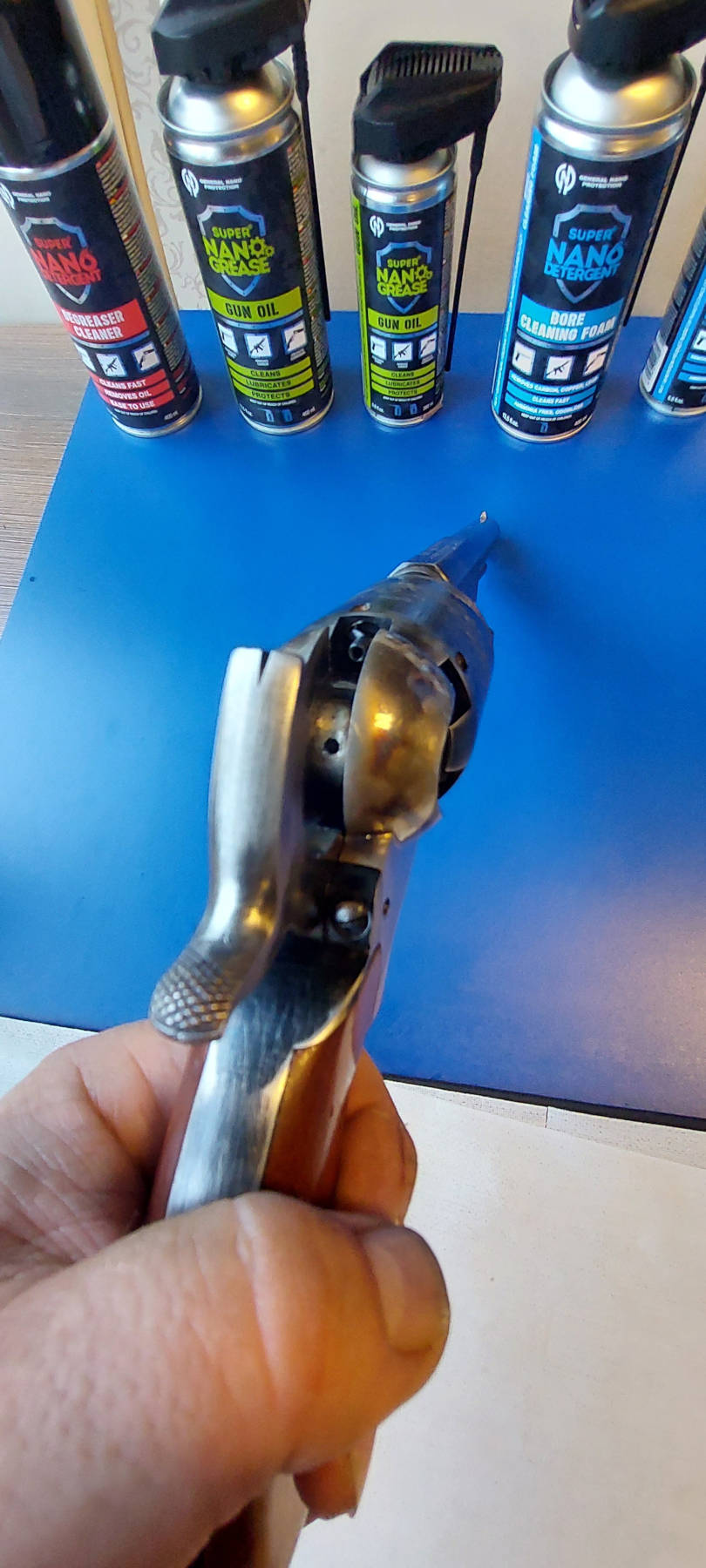
GNP cleaning products:
- Degreaser Cleaner – removes old oil, grease, and residue.
- Gun Cleaner – dissolves powder fouling and softens hardened carbon deposits.
- Bore Cleaning Foam – eliminates stubborn fouling from the bore and cylinder chambers.
- Gun Oil – lubricates and protects against rust and corrosion.
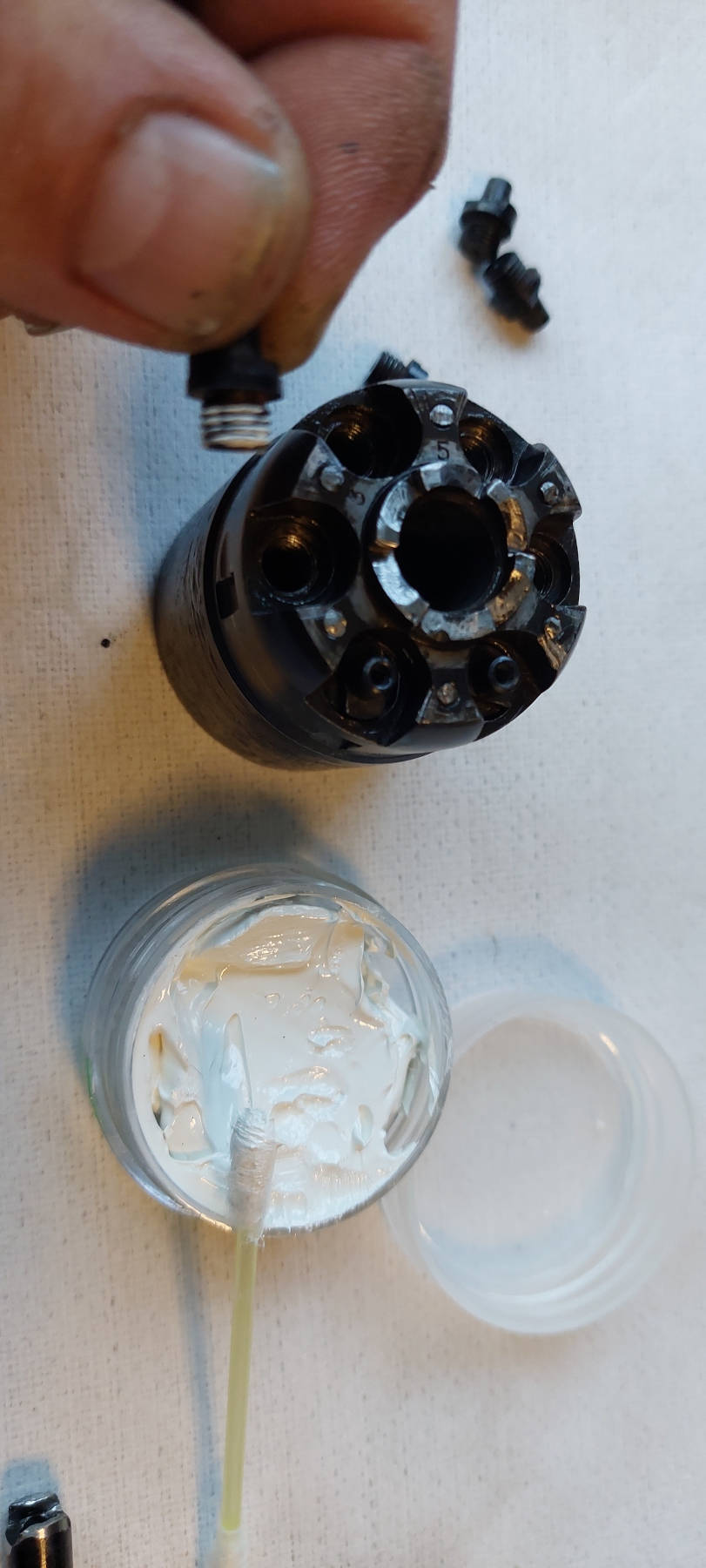
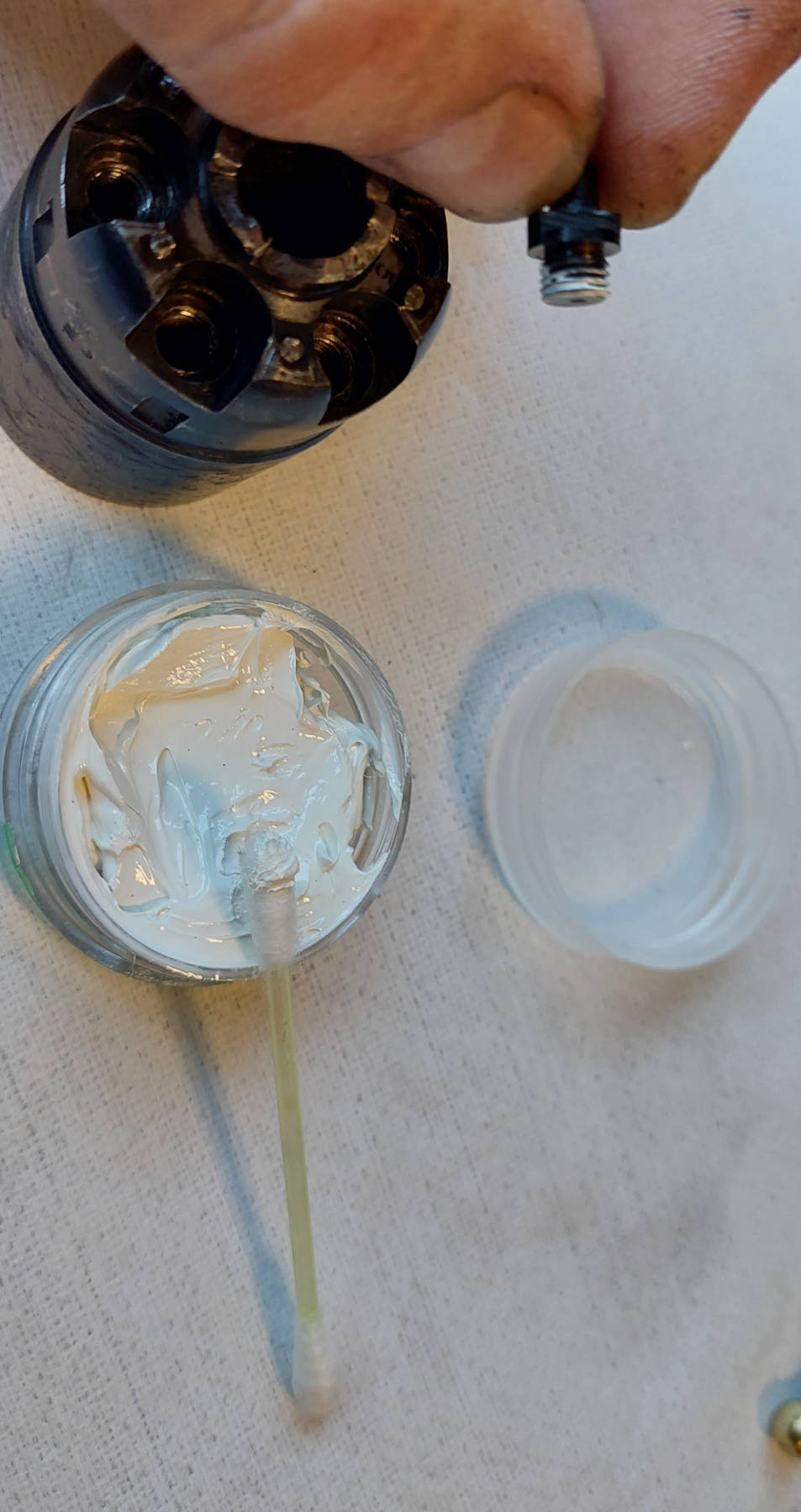
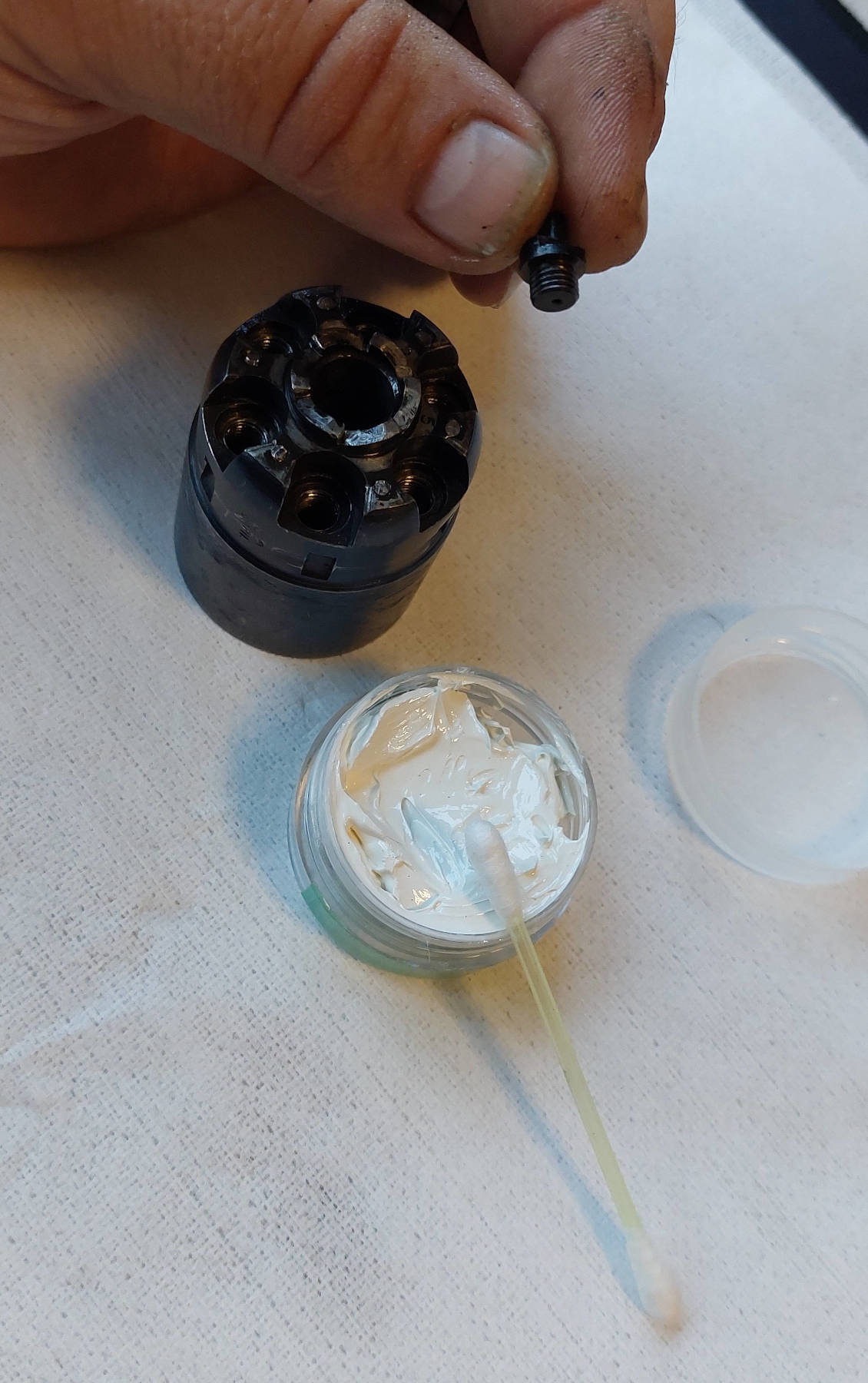
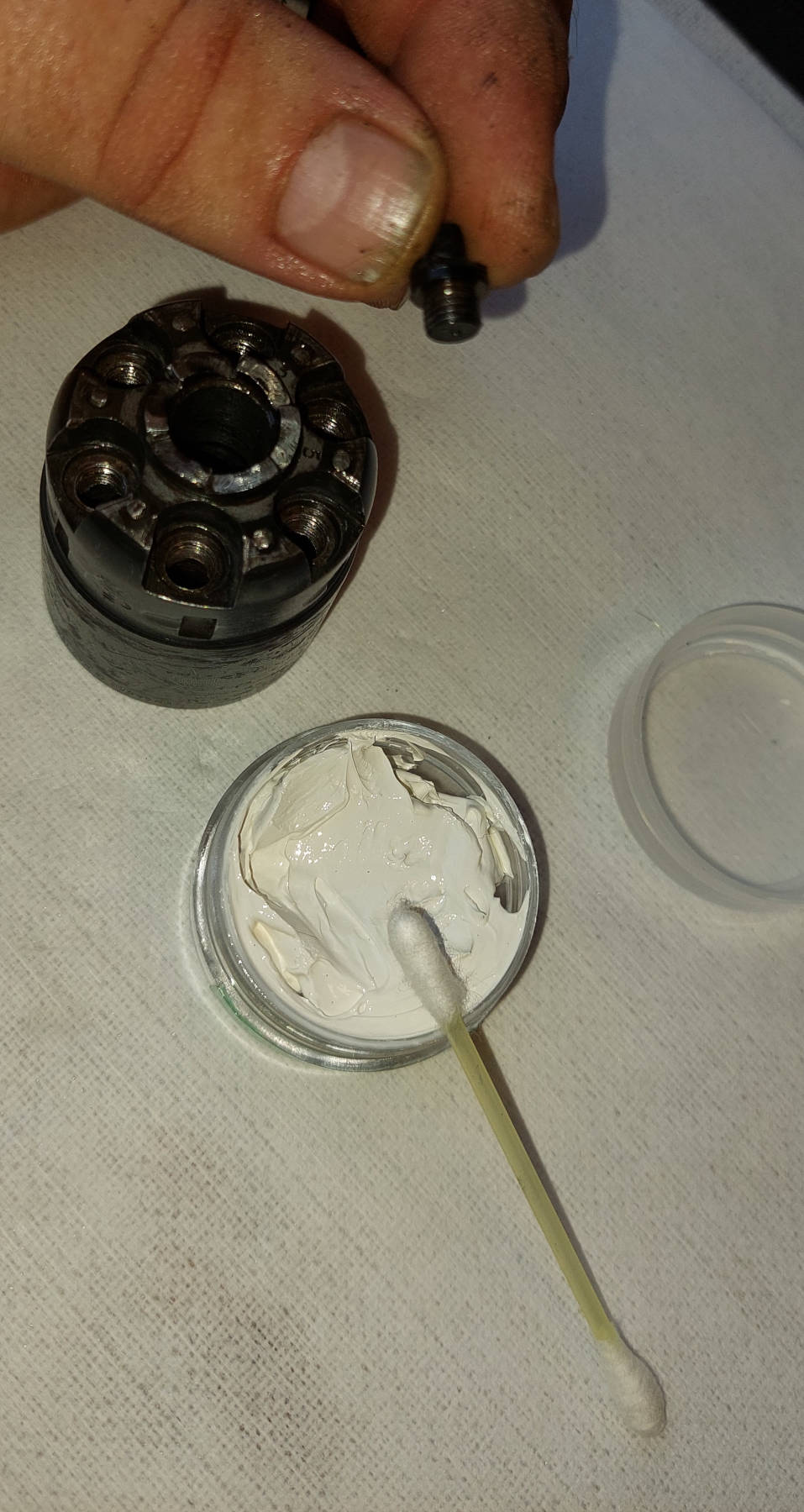
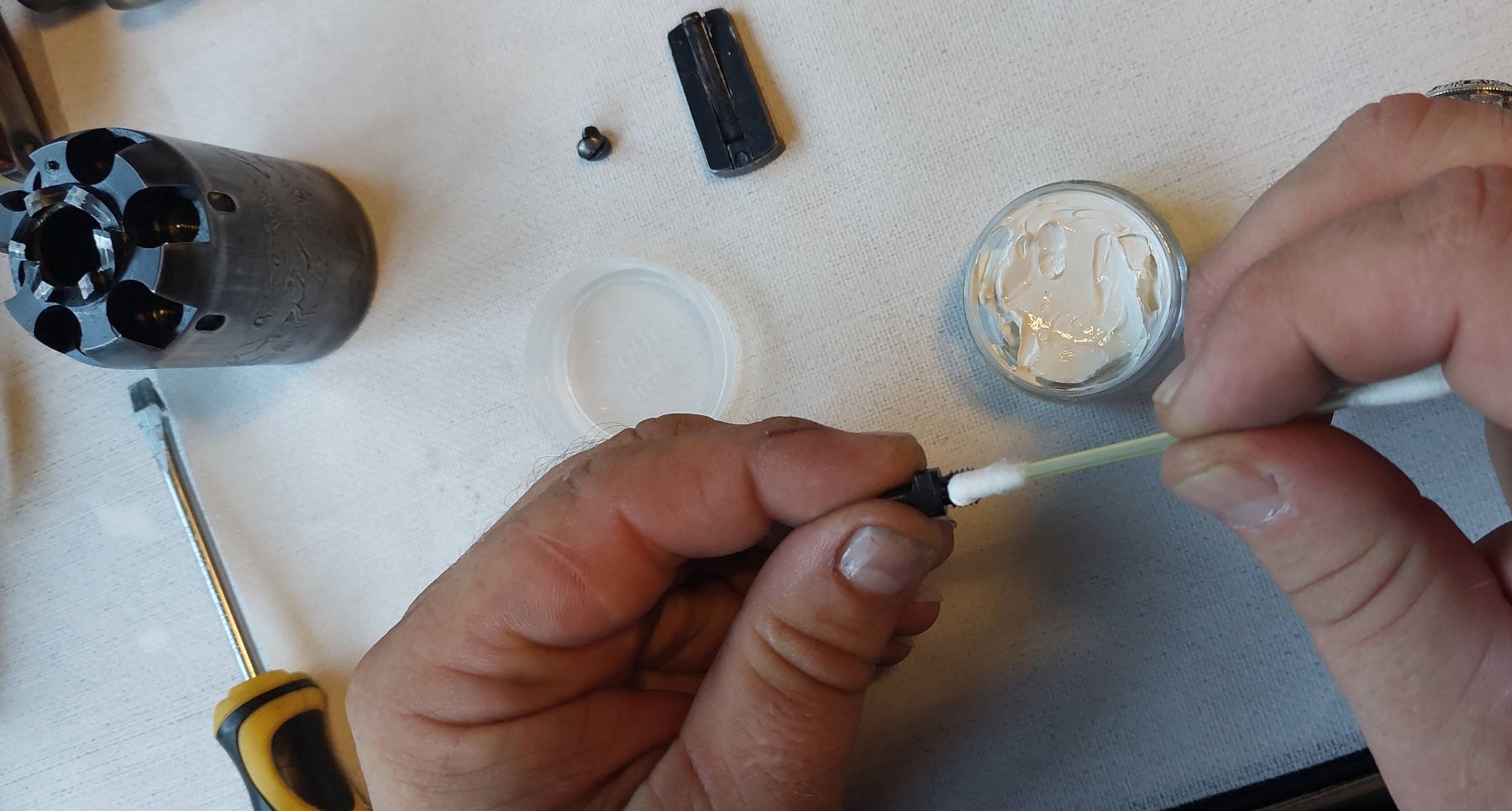
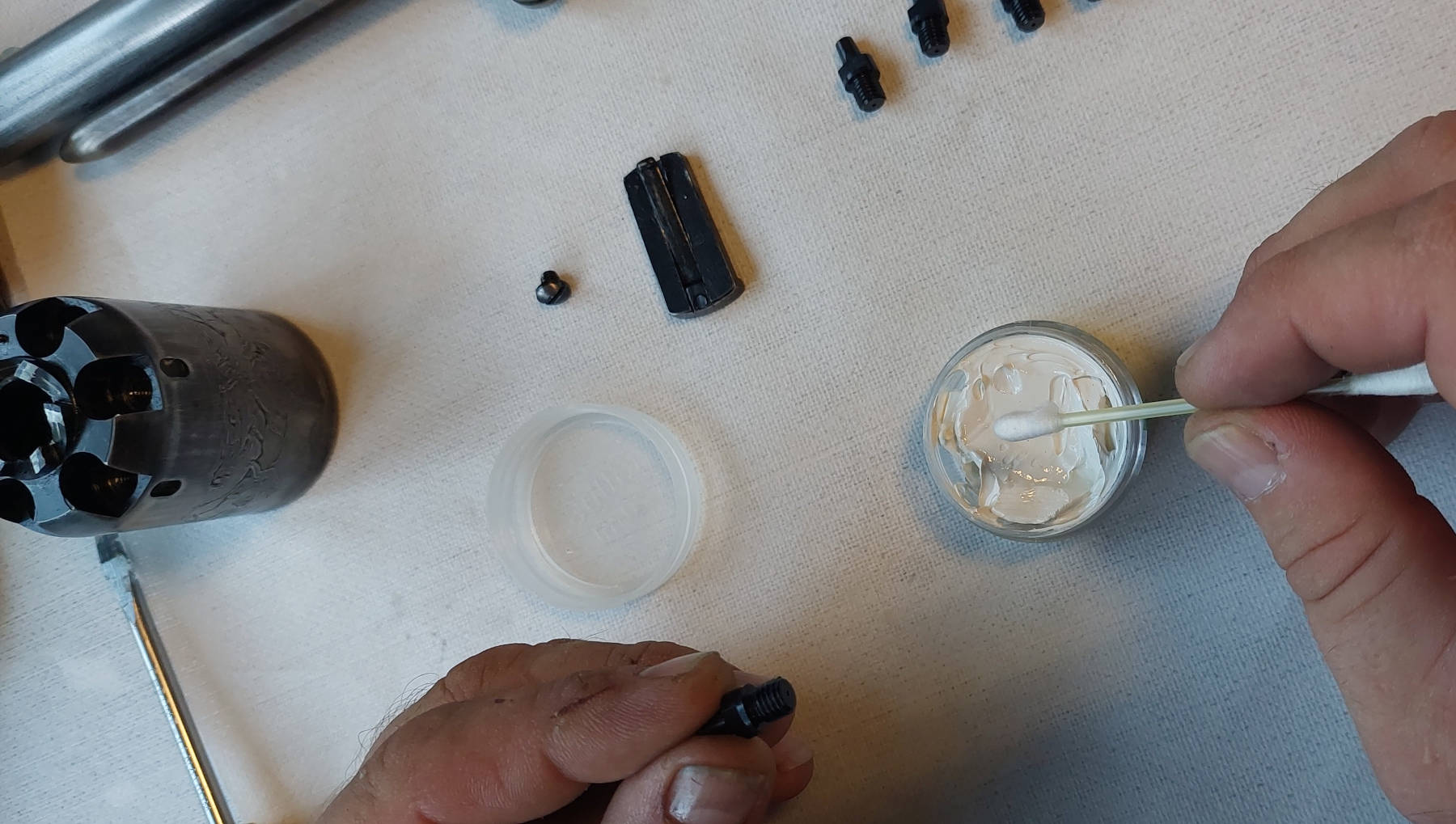
- Synthetic Grease – prevents nipple threads from seizing.
Tools:
- Cleaning rod and jag (caliber-matched).
- Brass or bronze brush for the bore and cylinder chambers.
- Nylon brush for external parts.
- Cotton patches, cloths, and swabs.
- Nipple wrench.
- Flat screwdriver (for clearing seized nipples).
- Bench vice (helpful when working on the cylinder).
STEP 3 – Preparing for Cleaning
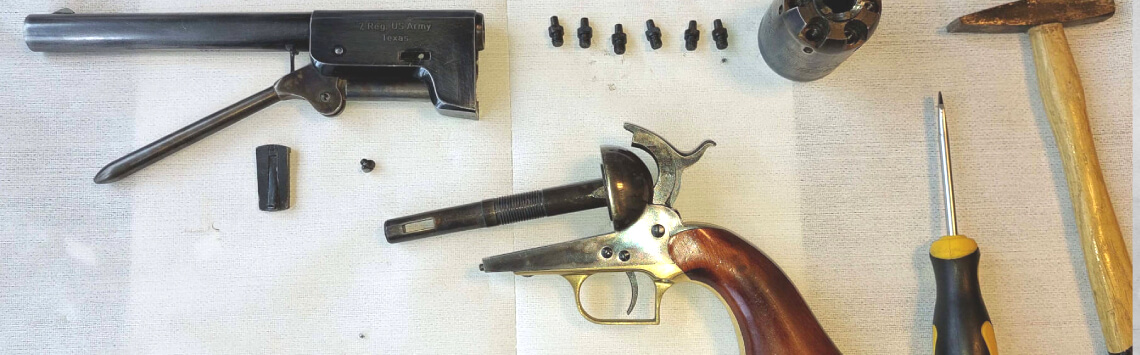
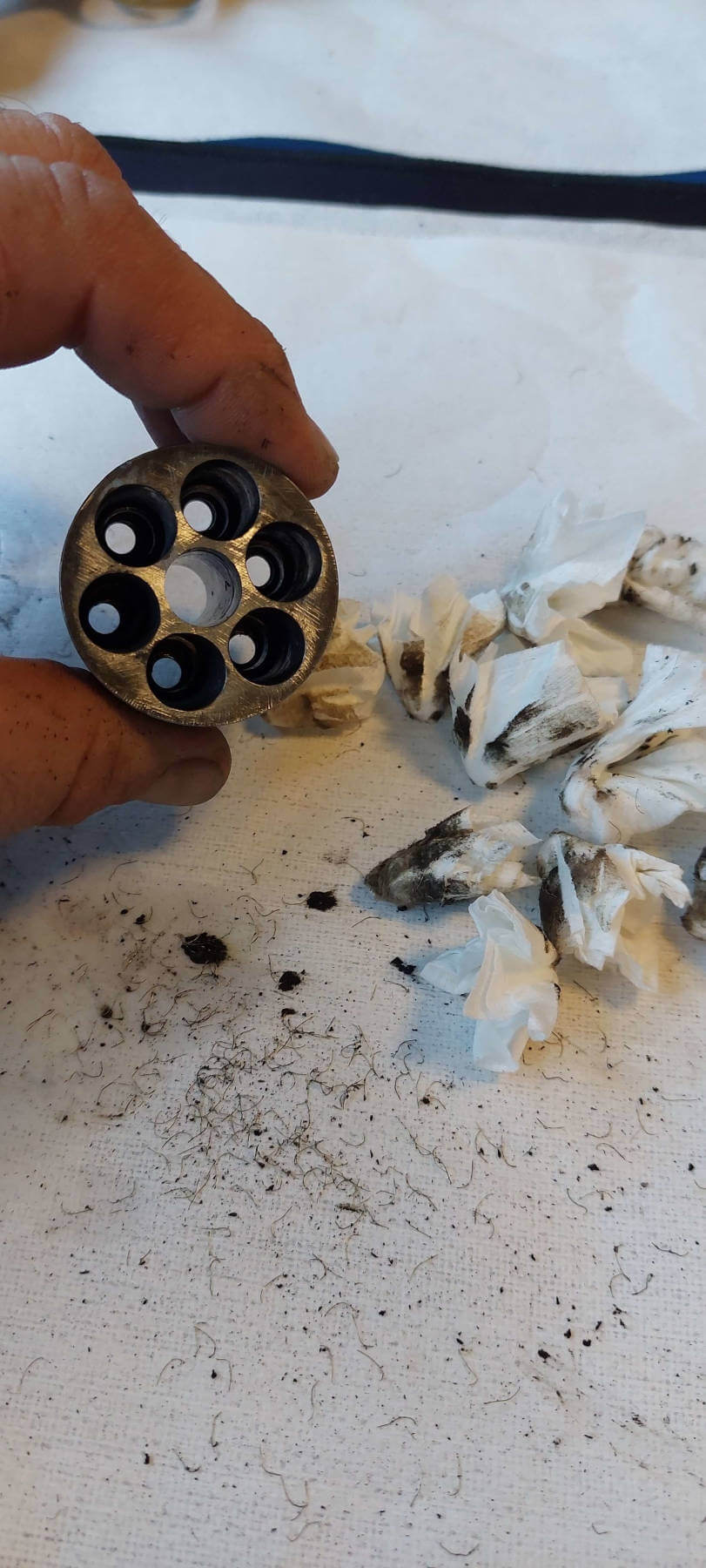
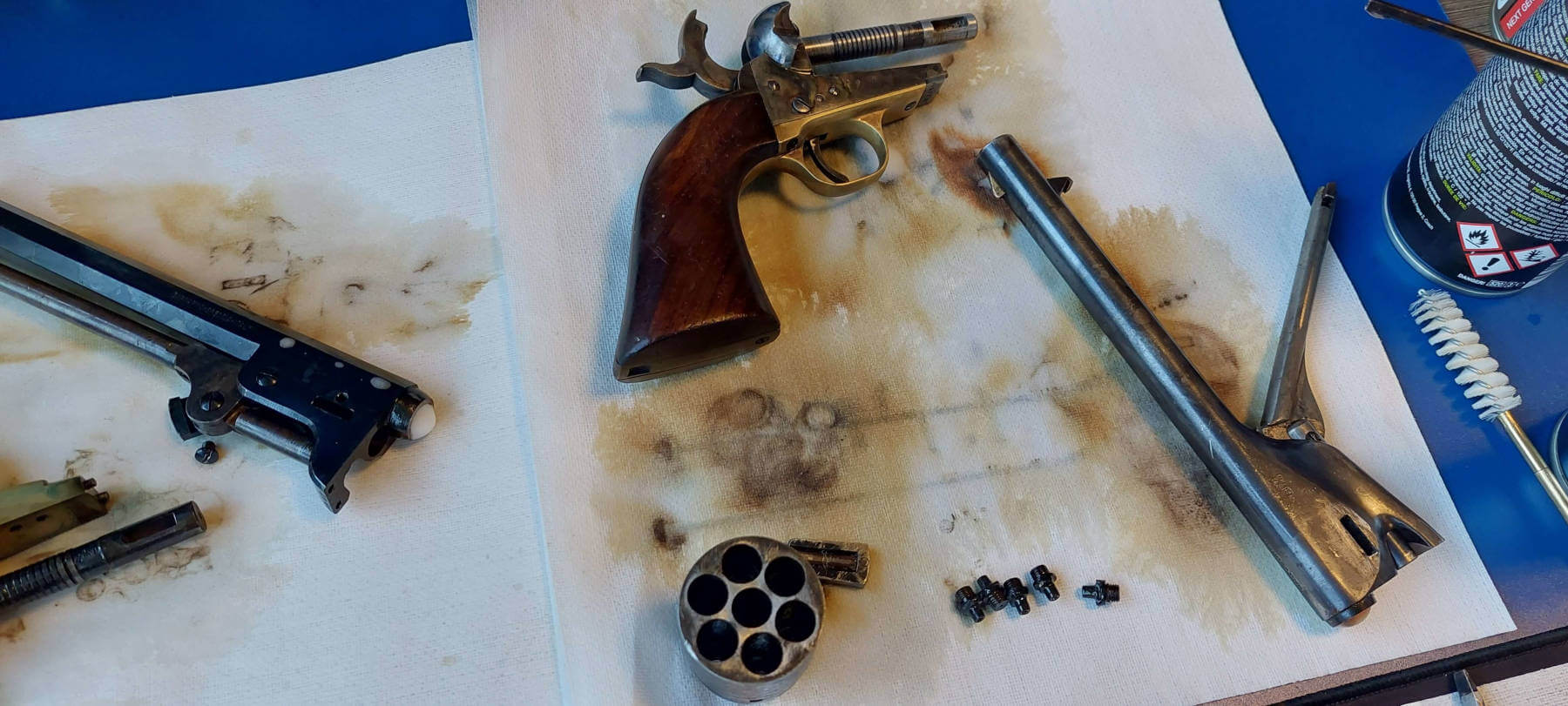
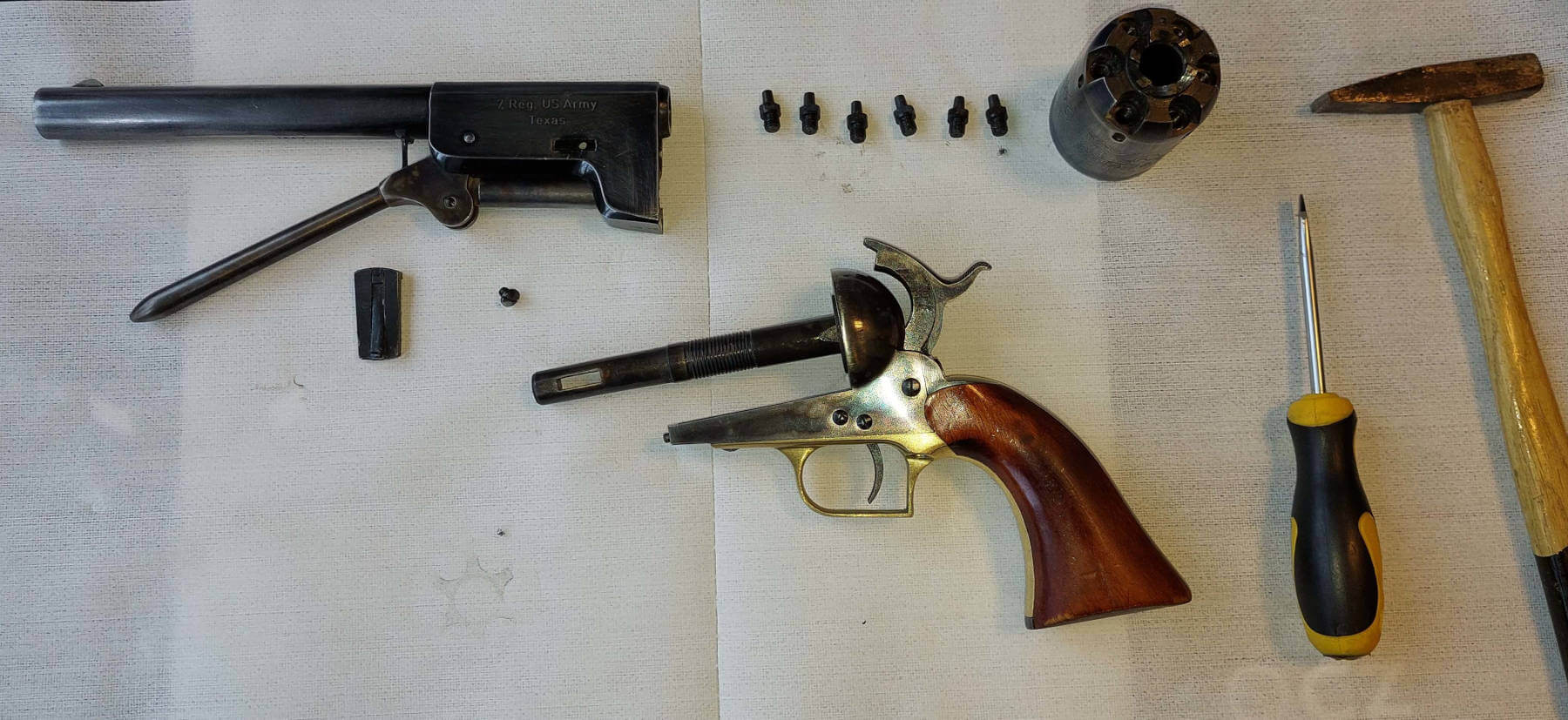
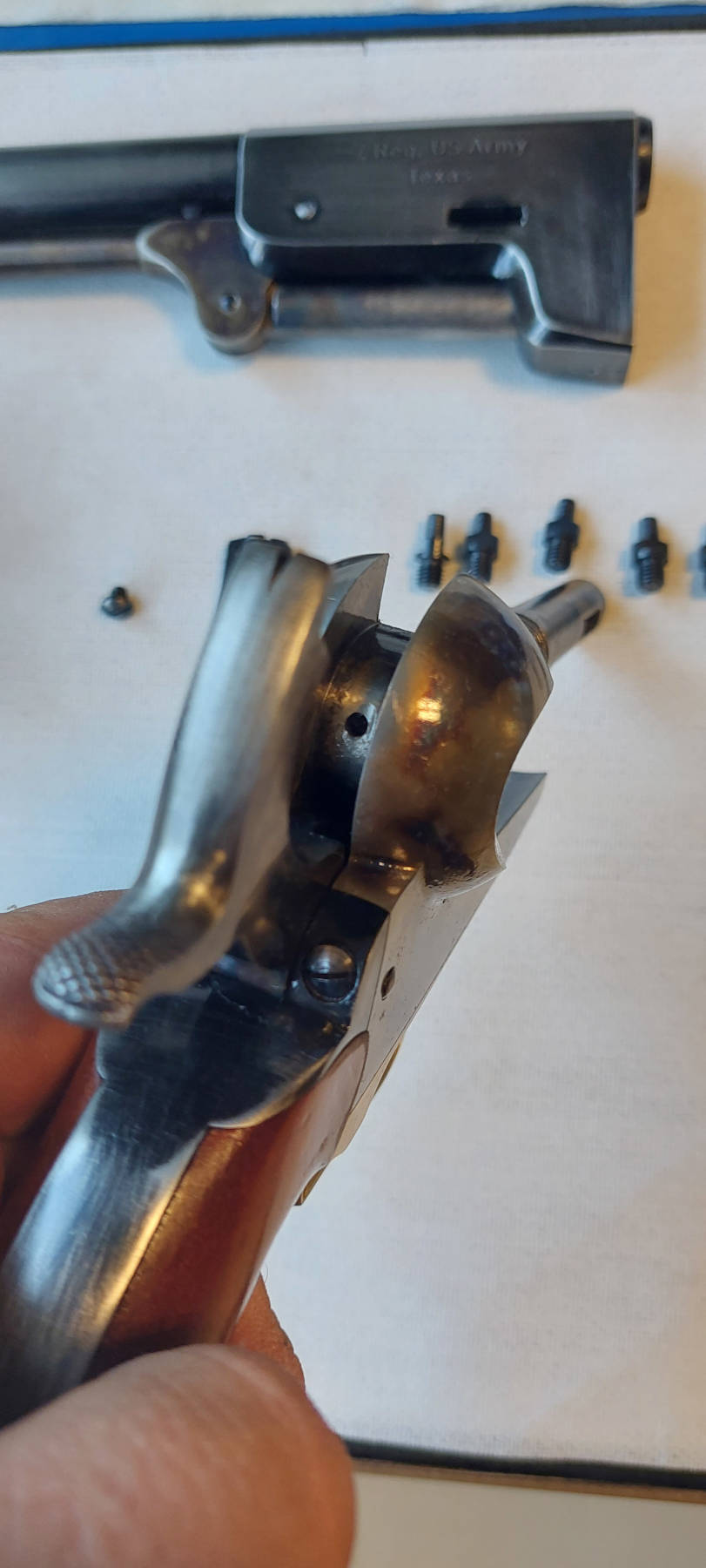
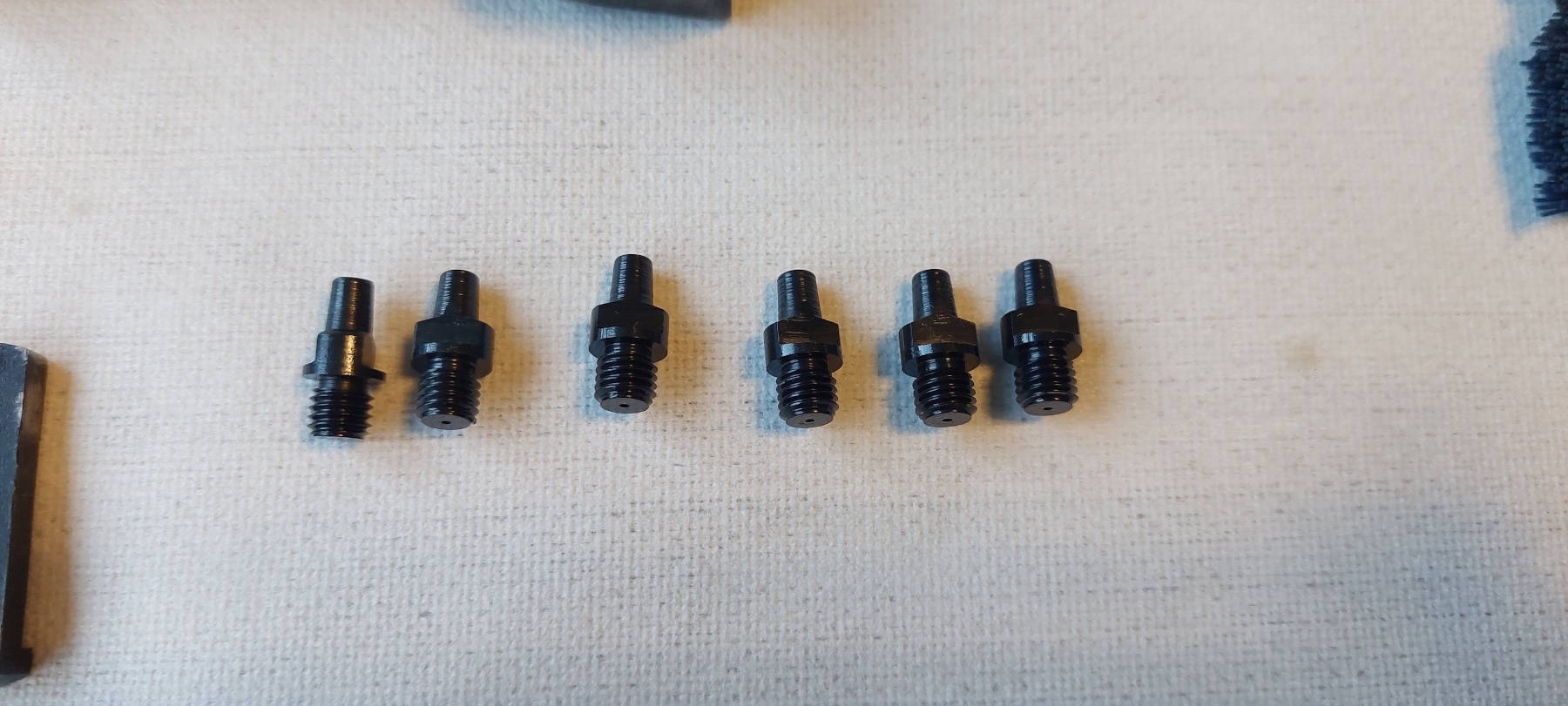
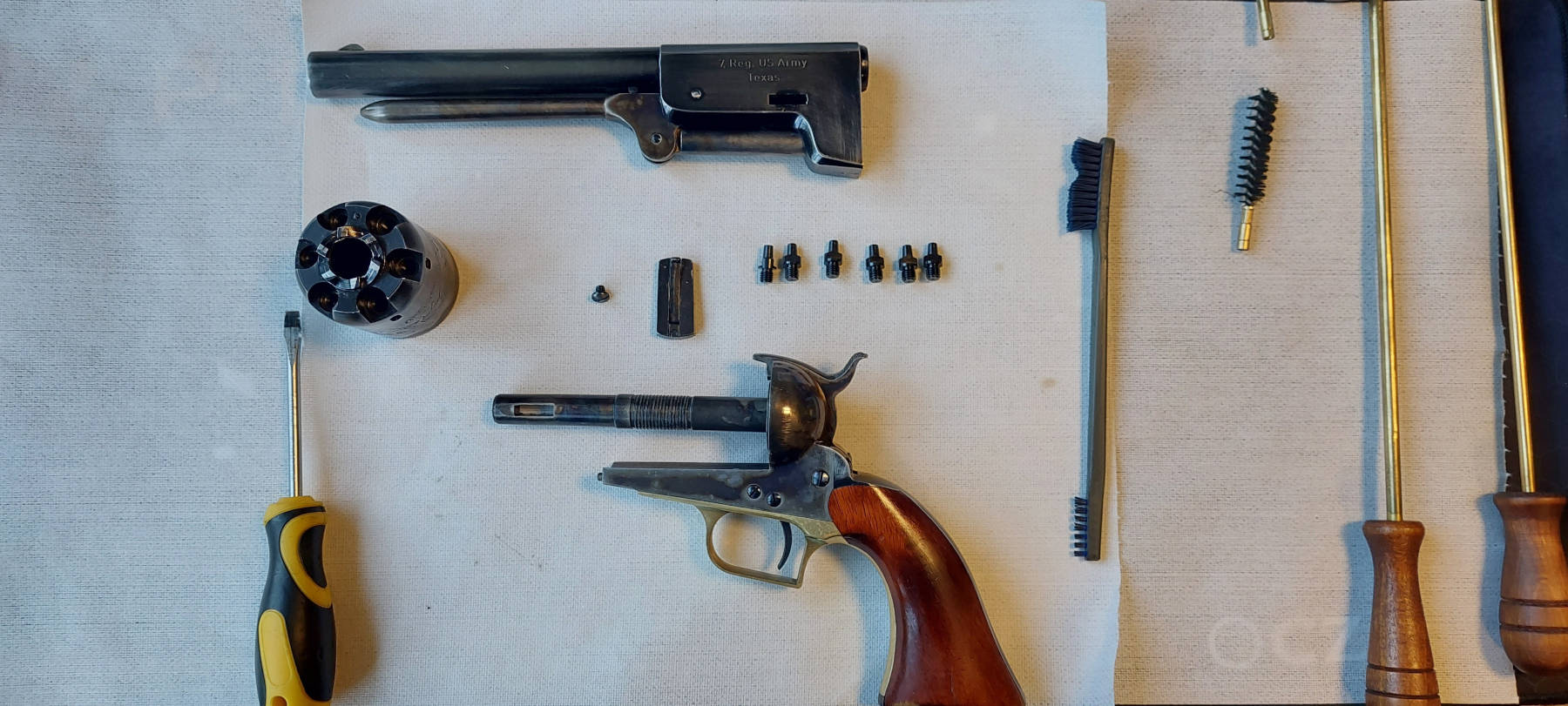
- Disassemble the revolver according to the manufacturer’s instructions. Remove the cylinder and, where possible, the nipples.
- Brush the bore and cylinder chambers with a brass or bronze brush to dislodge loose fouling.
- Wipe down the remaining parts with a nylon brush and a dry cloth. This dry pre-cleaning prevents fouling from turning into thick sludge once cleaning agents are applied.
STEP 4 – Deep Cleaning
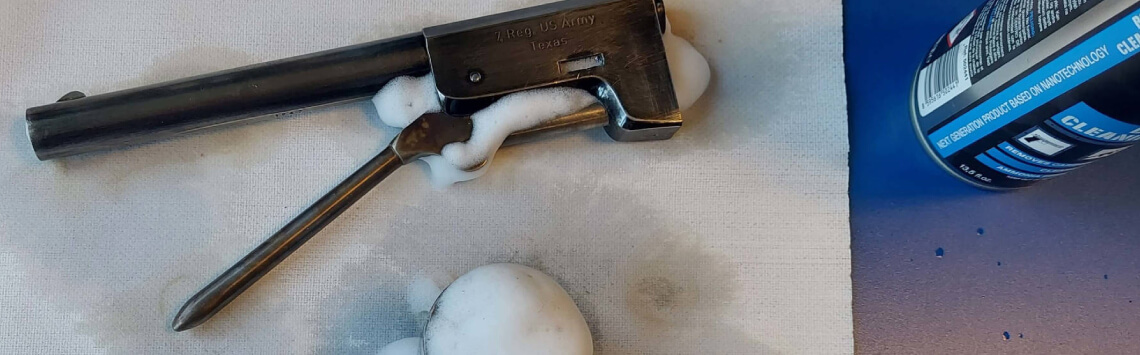
1. Bore and cylinder cleaning:
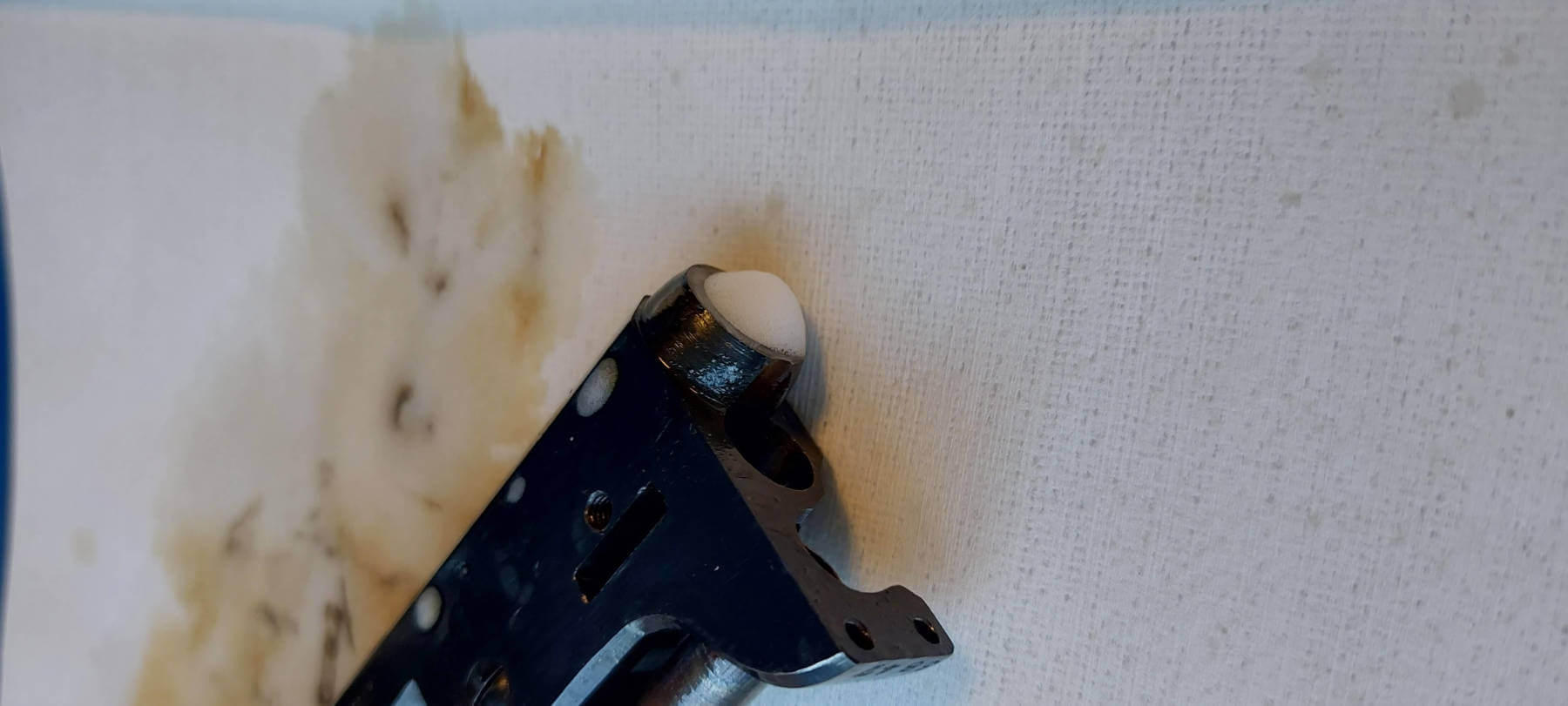
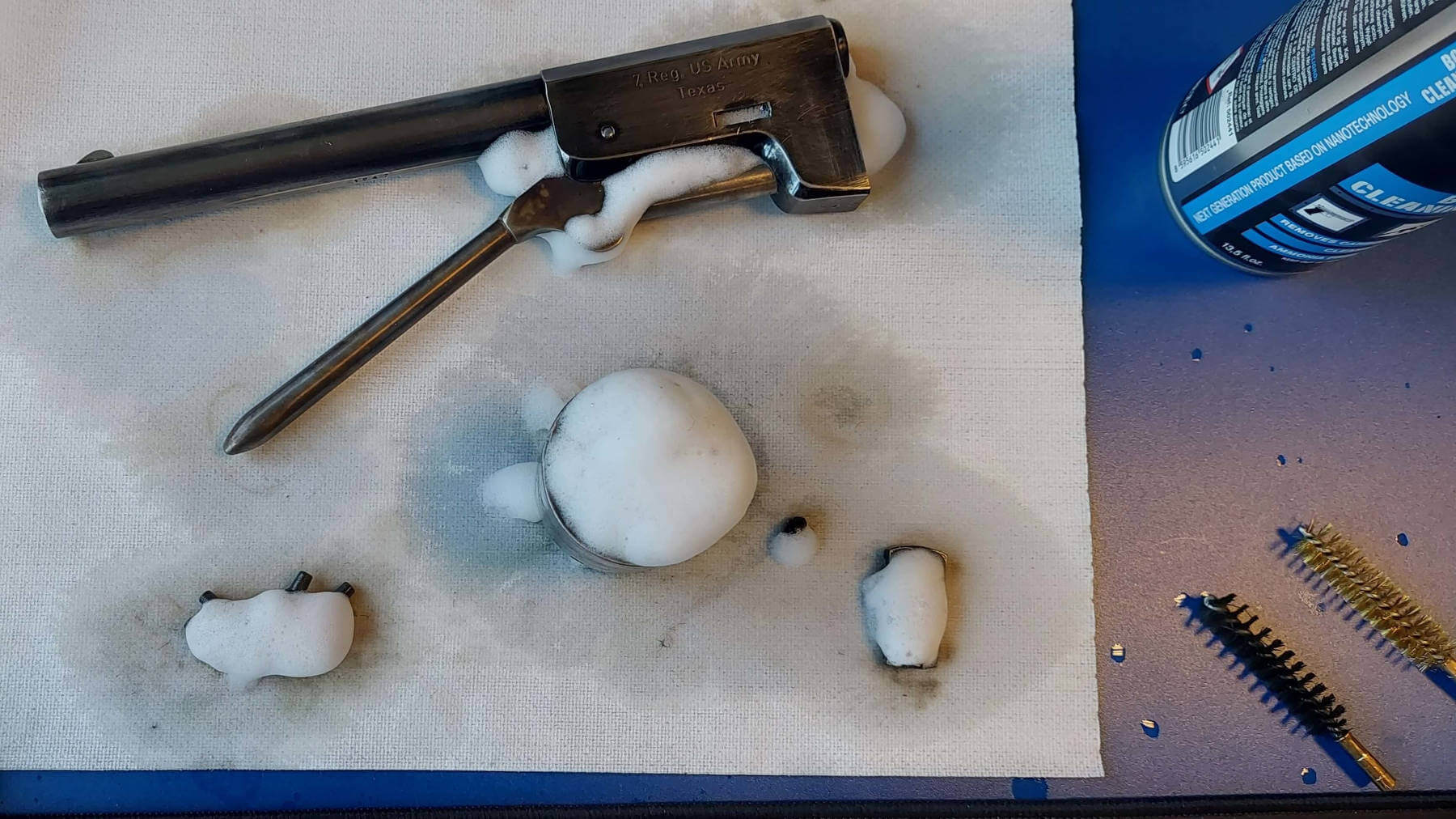
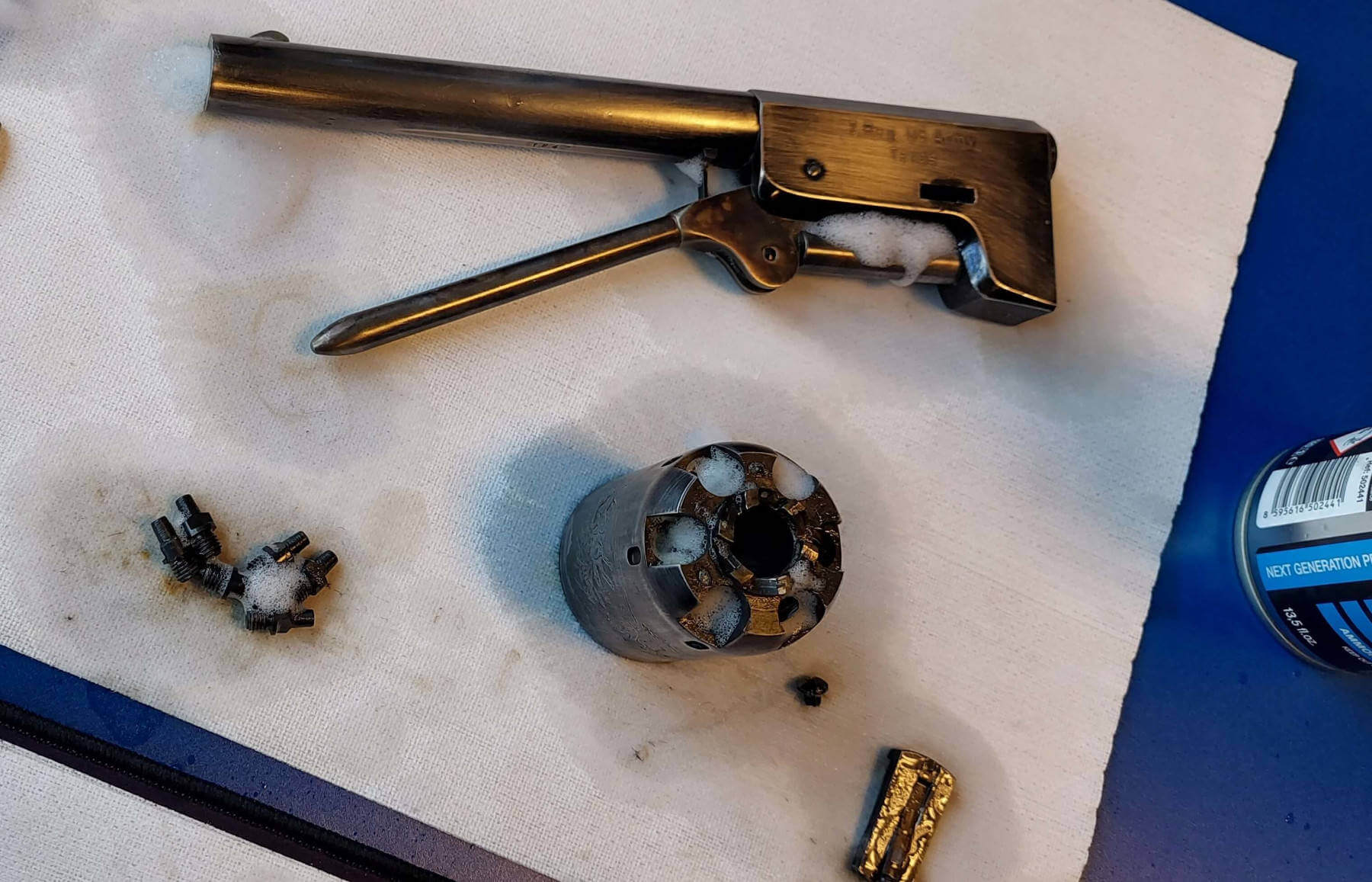
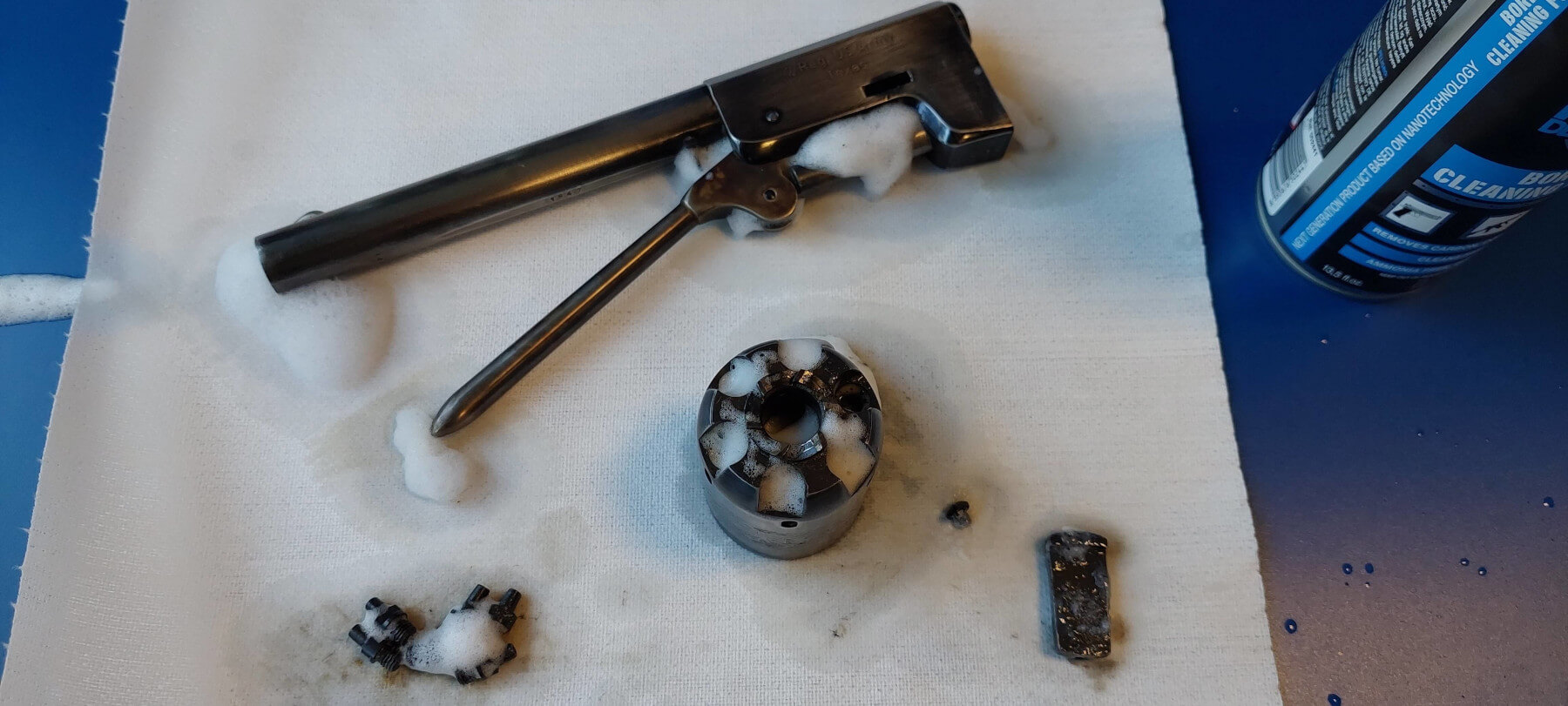
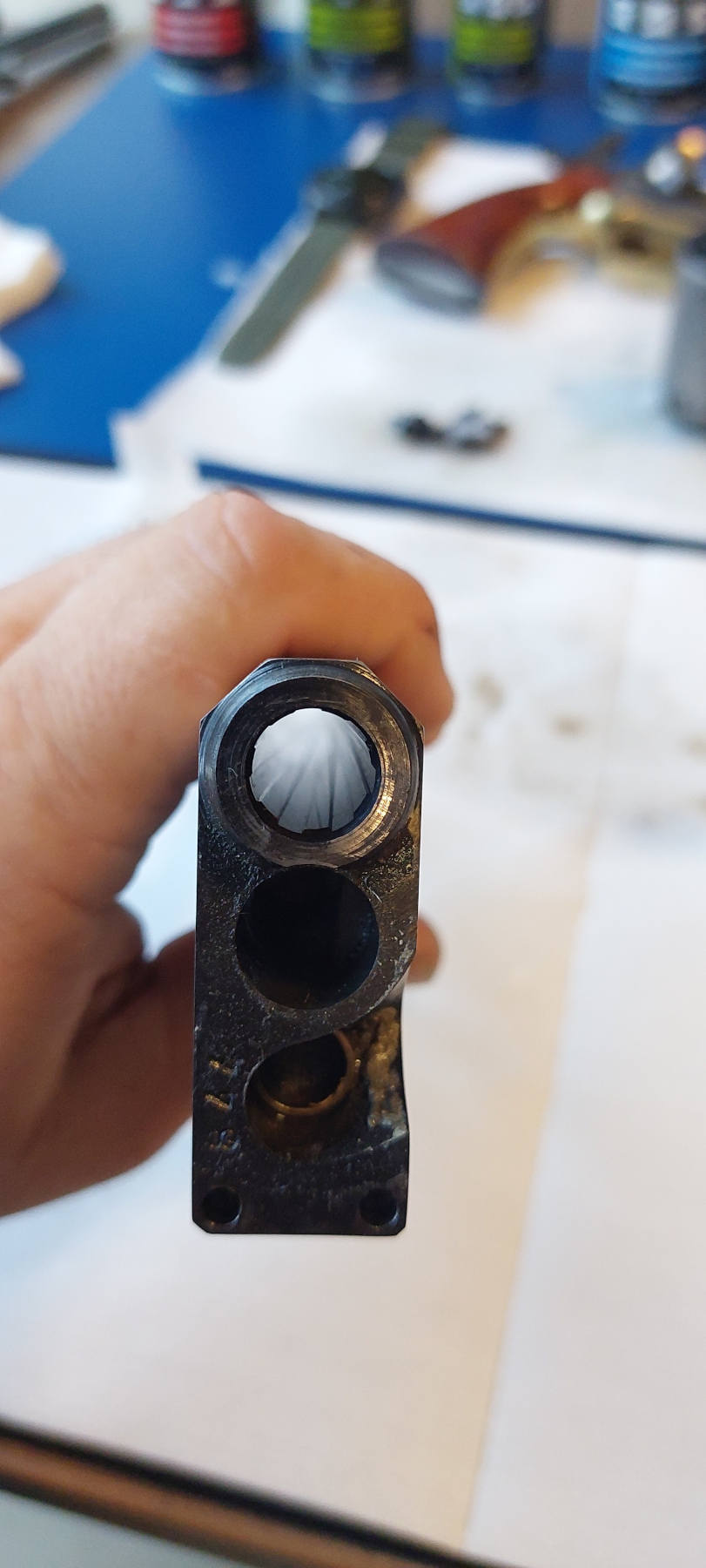
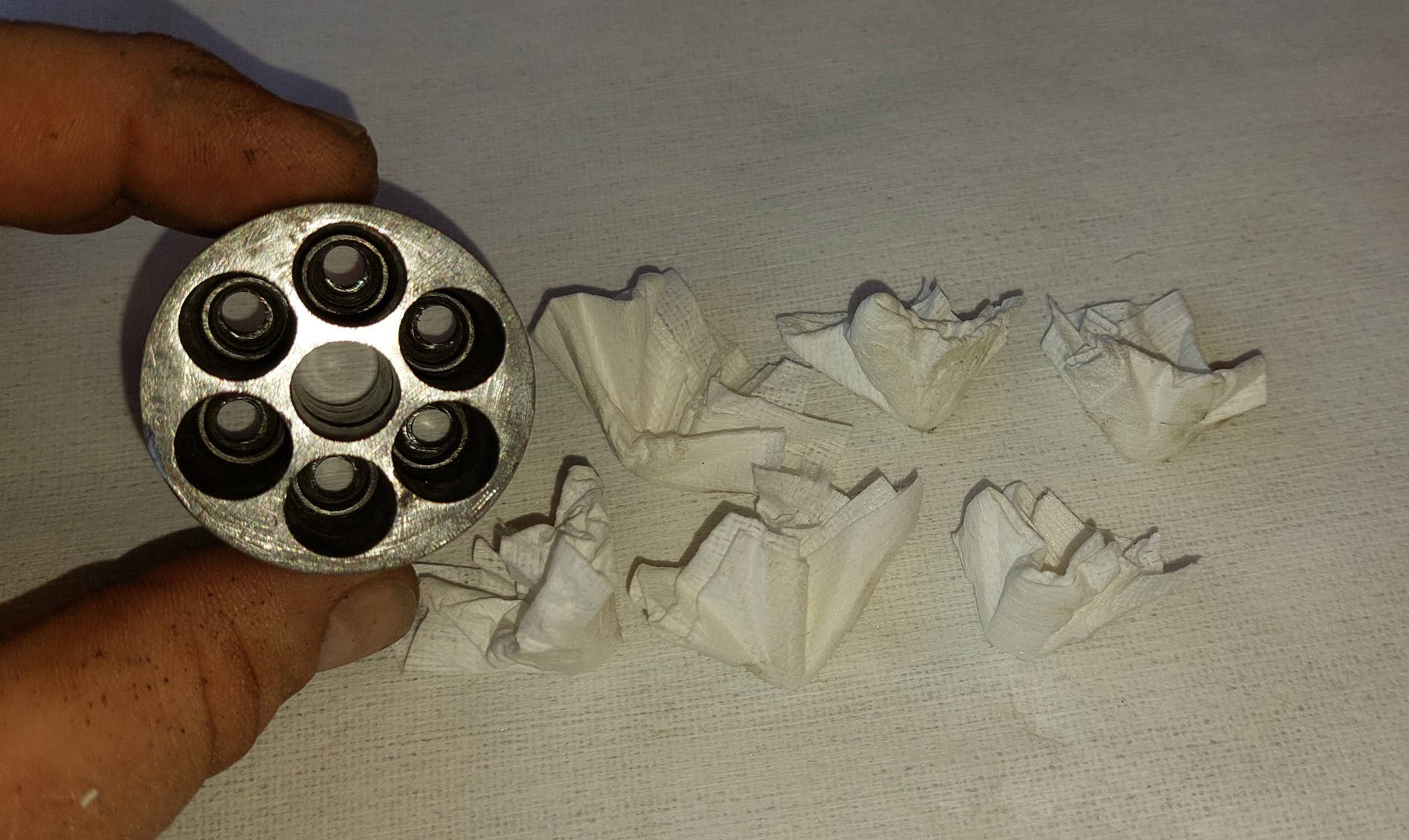
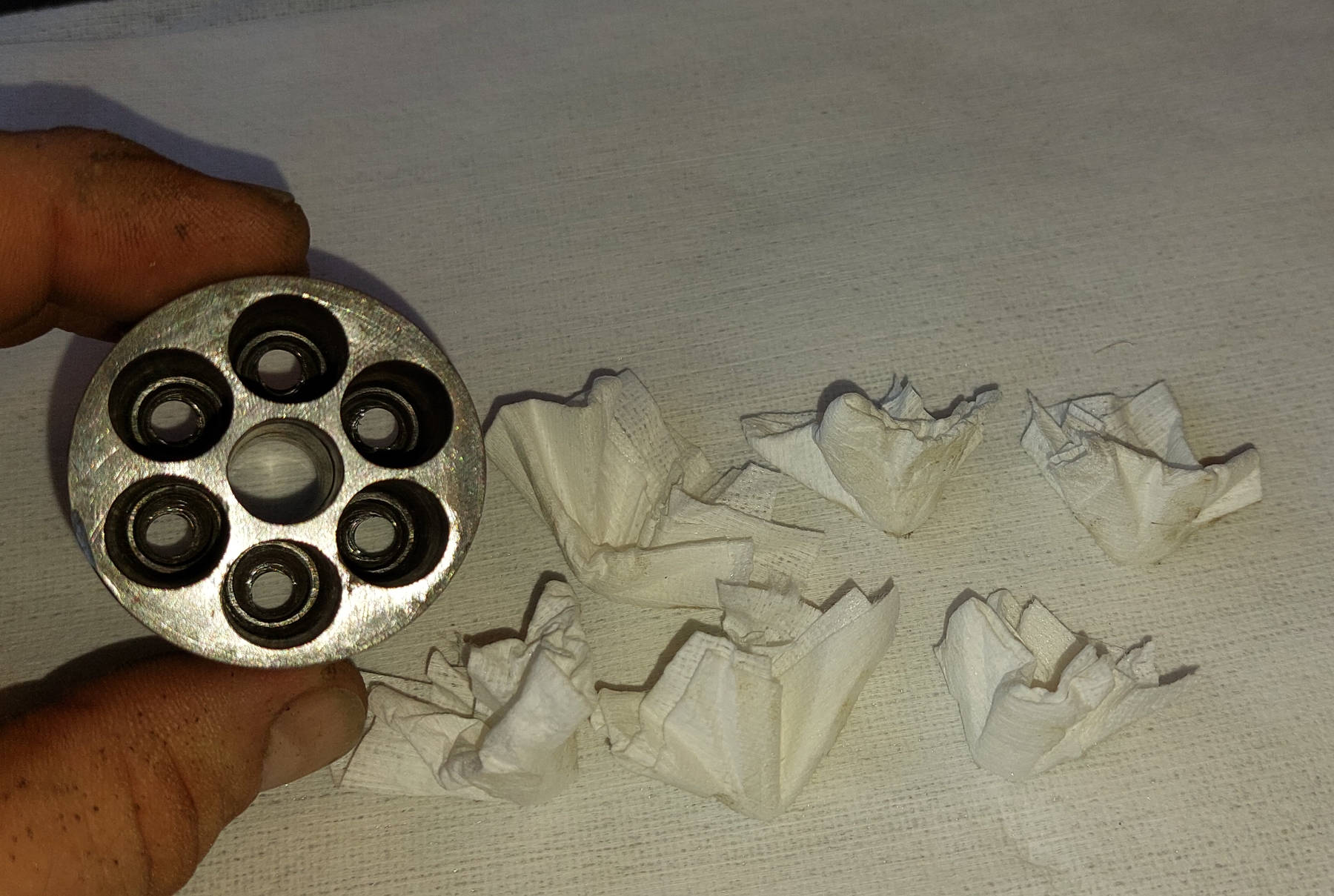
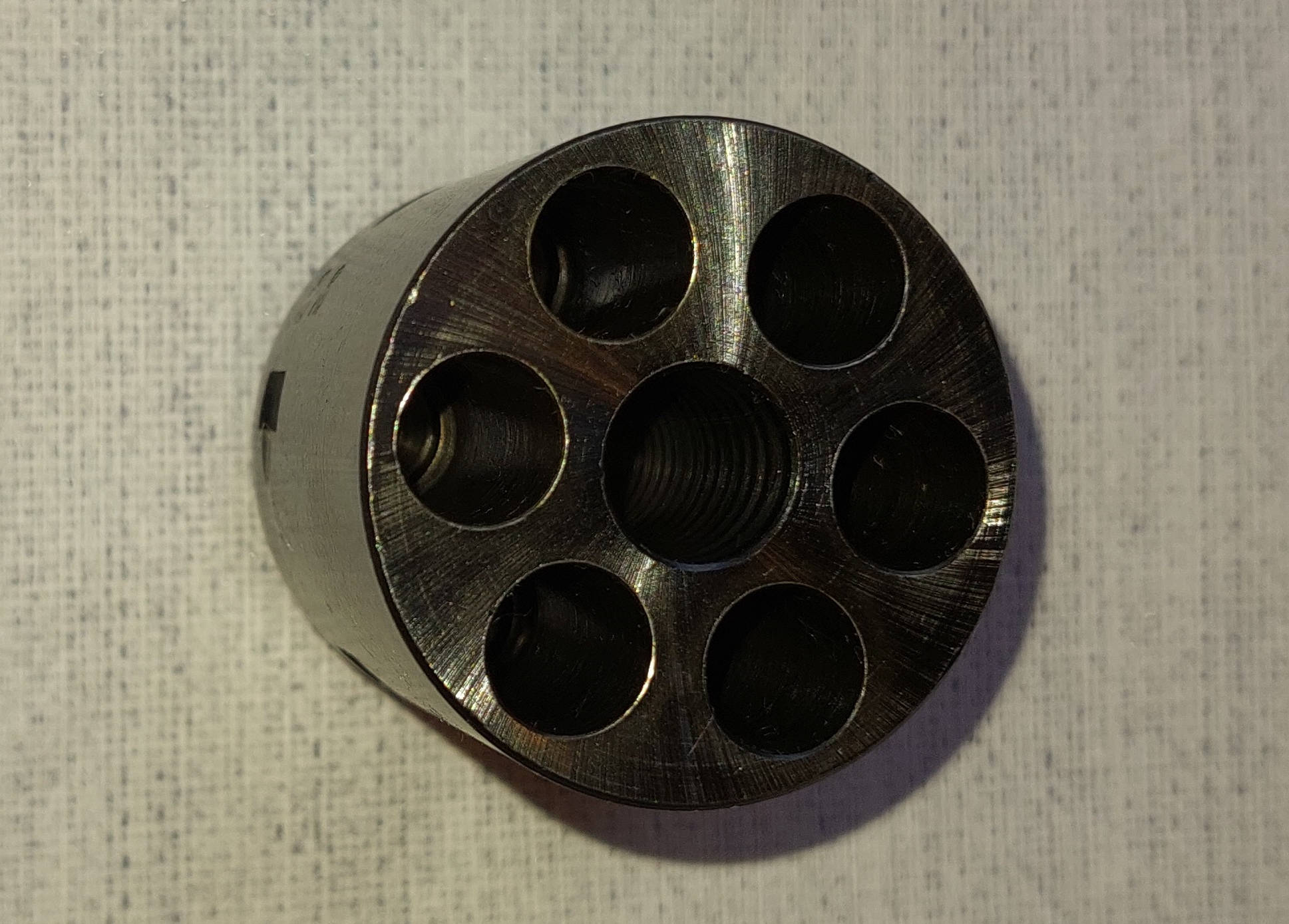
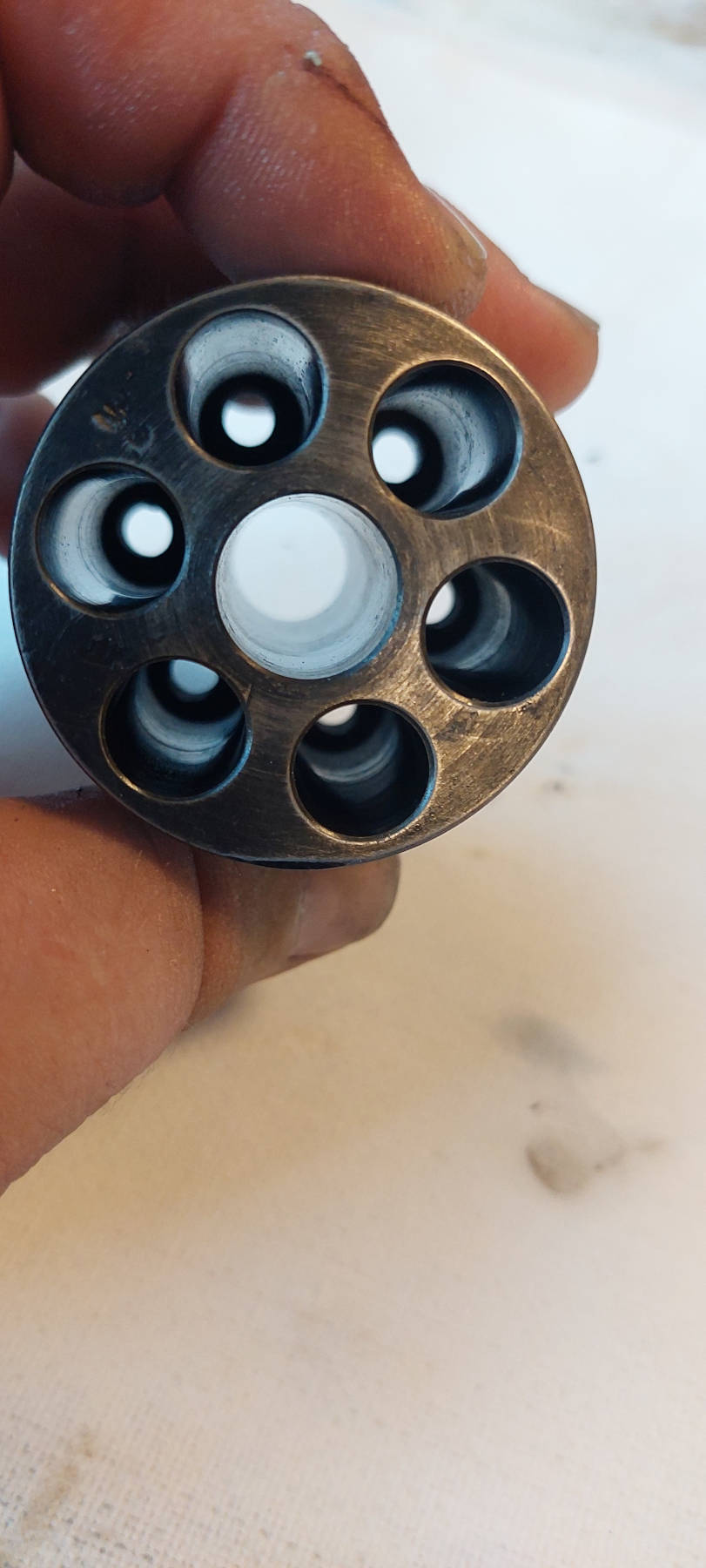
- Spray Bore Cleaning Foam into the bore and into each cylinder chamber. Leave for approximately 10 minutes.
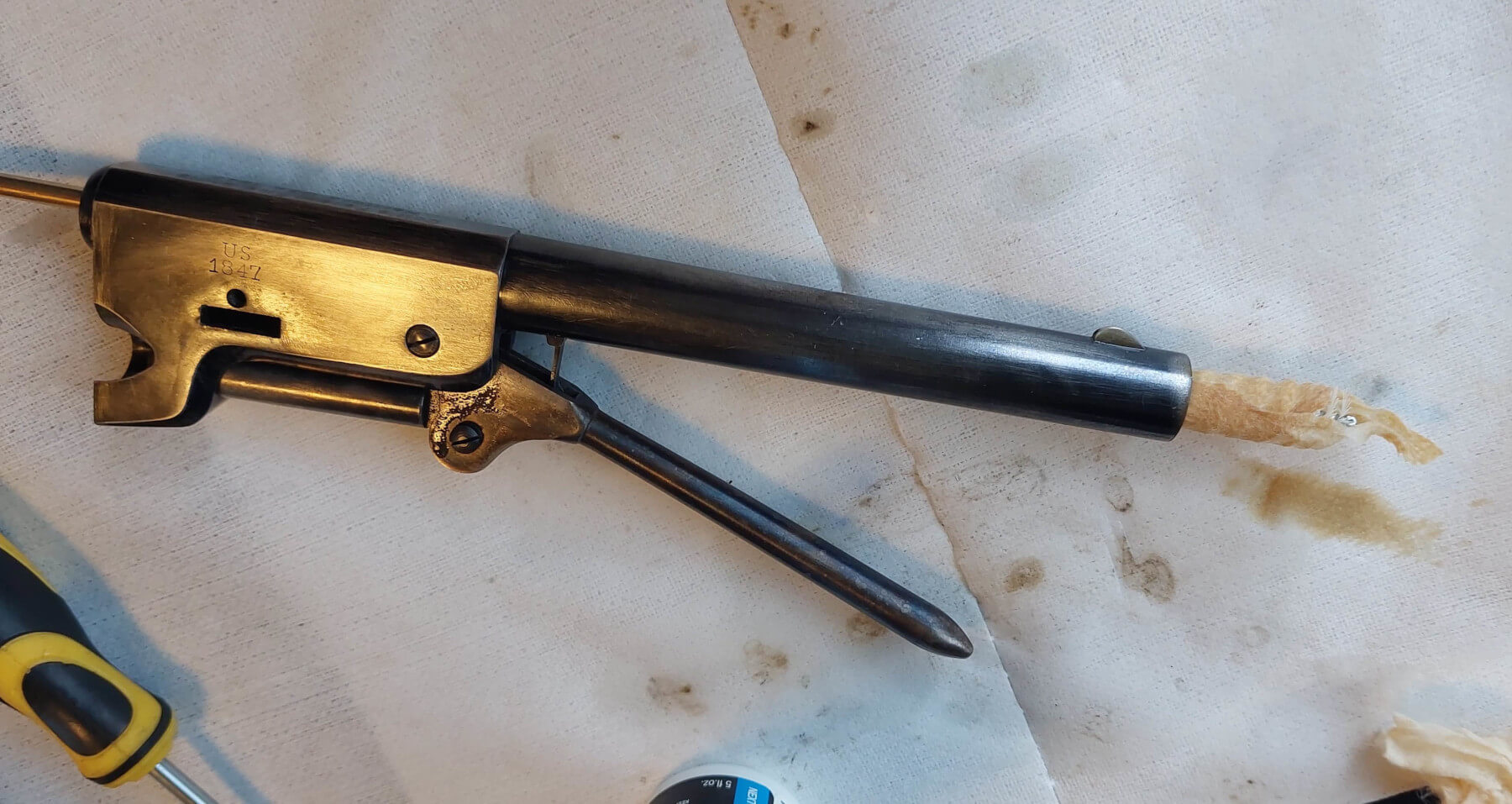
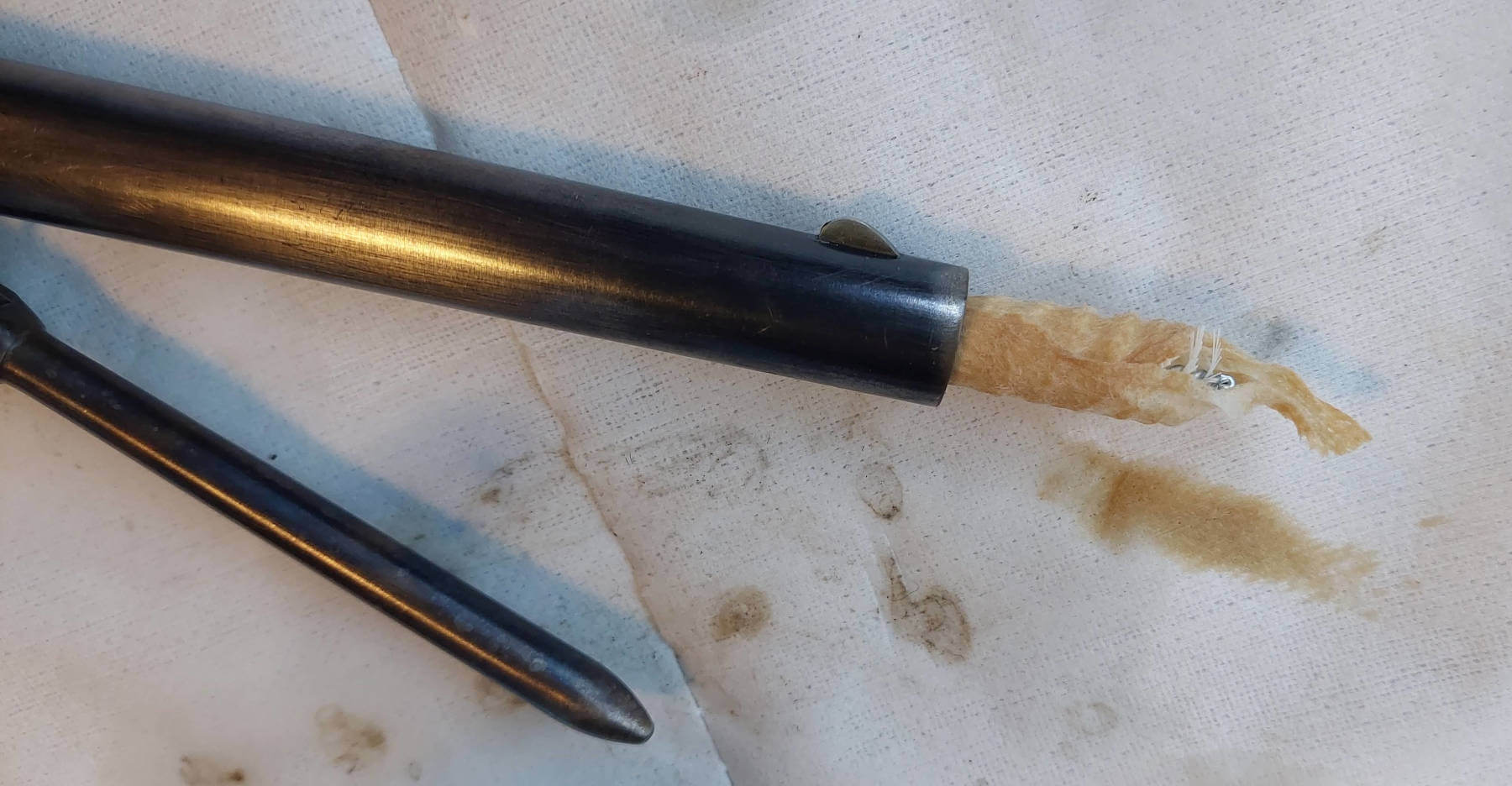
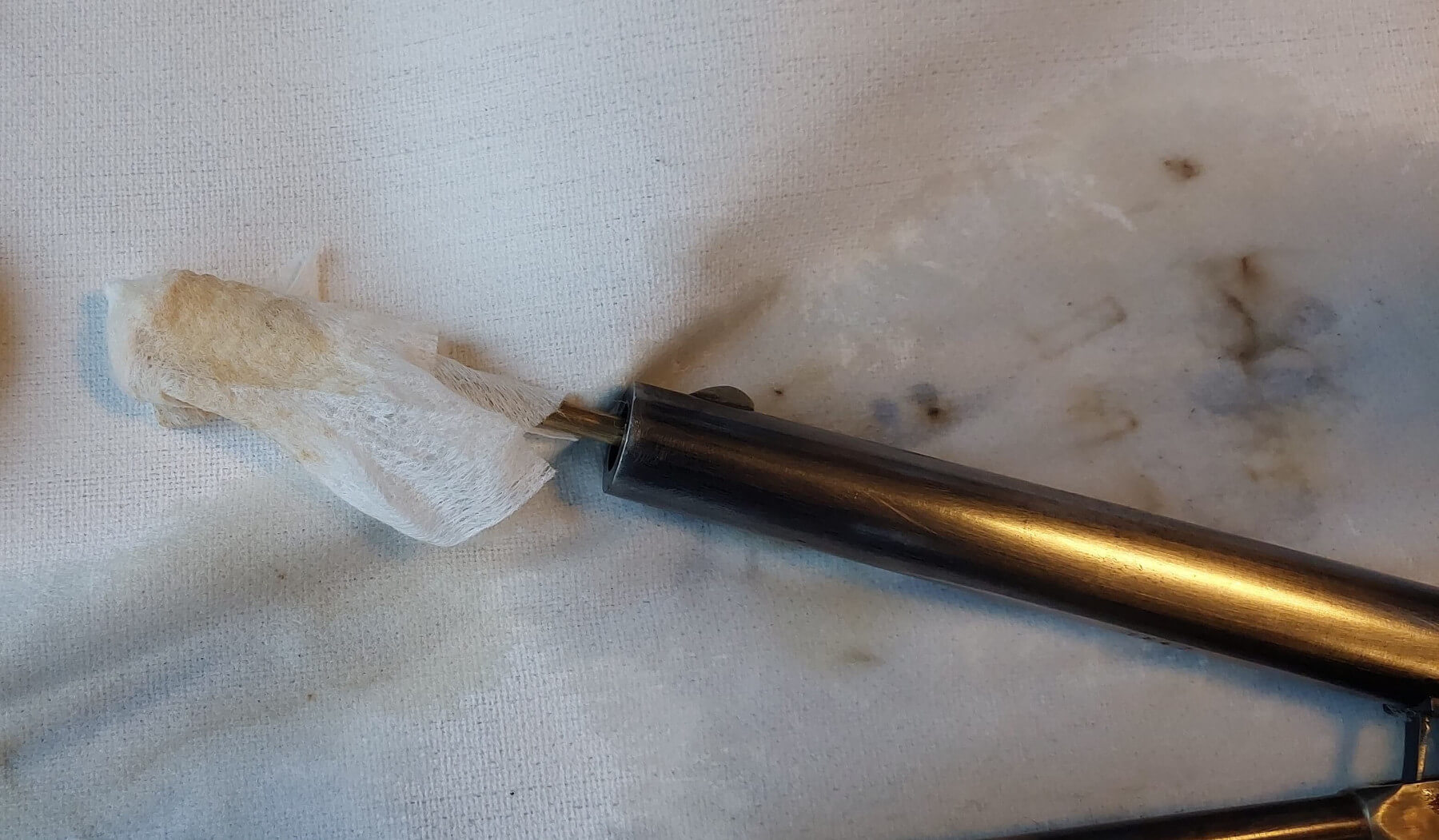
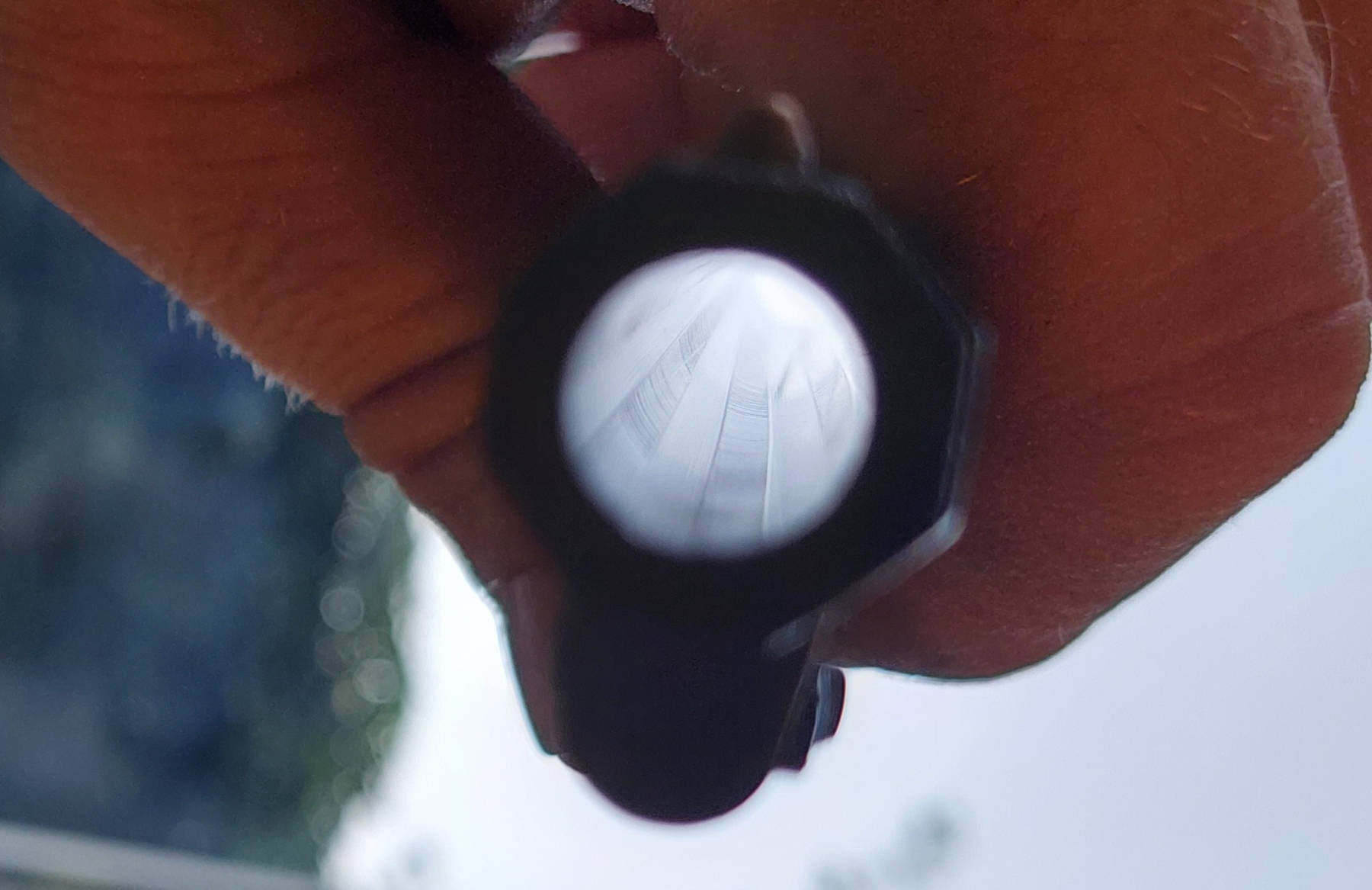
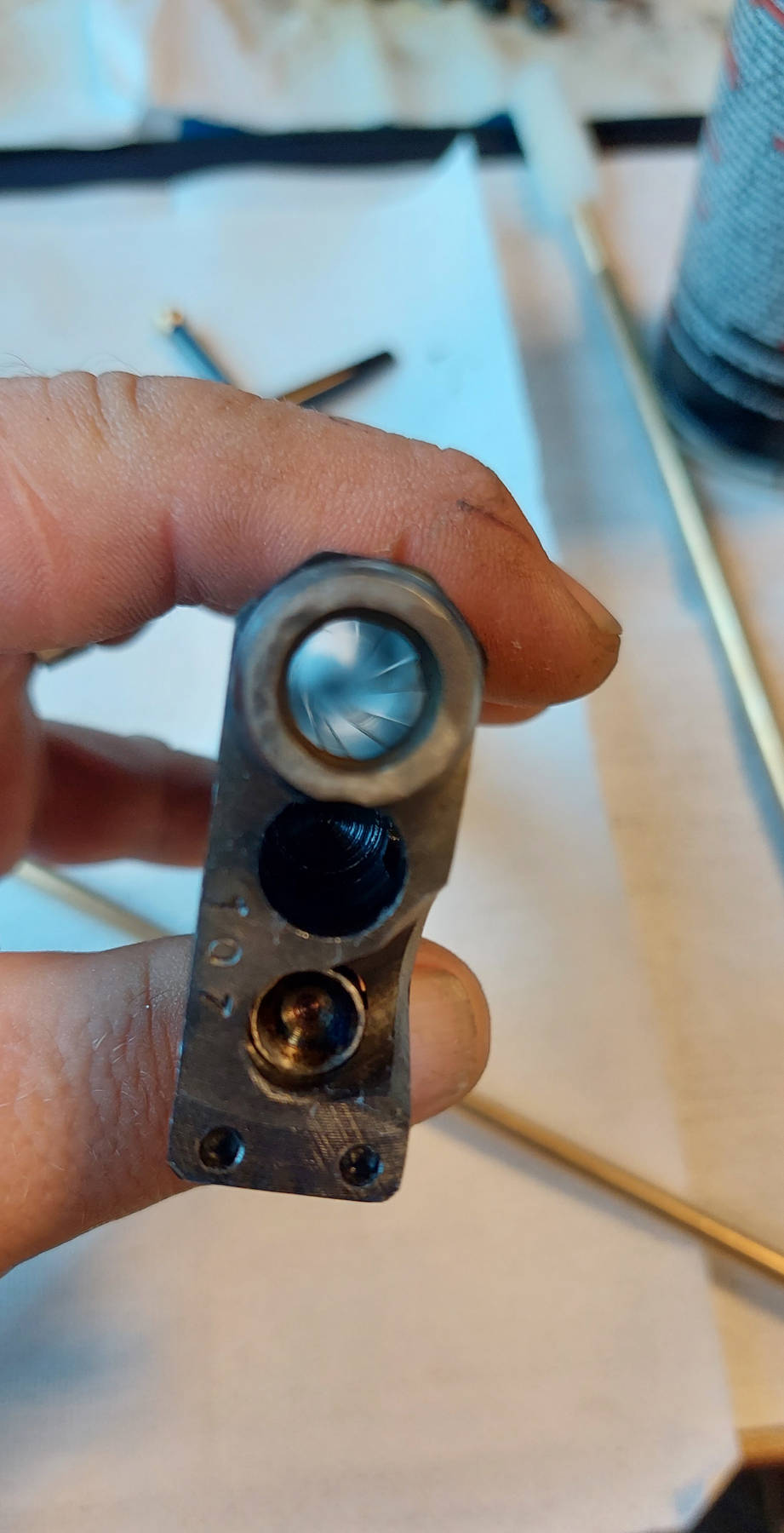
- Push the residue out of the bore with a cleaning rod and patches. If dirty deposits remain visible, repeat until patches come out clean.
- For light to moderate fouling, this is usually sufficient — proceed to step 2.
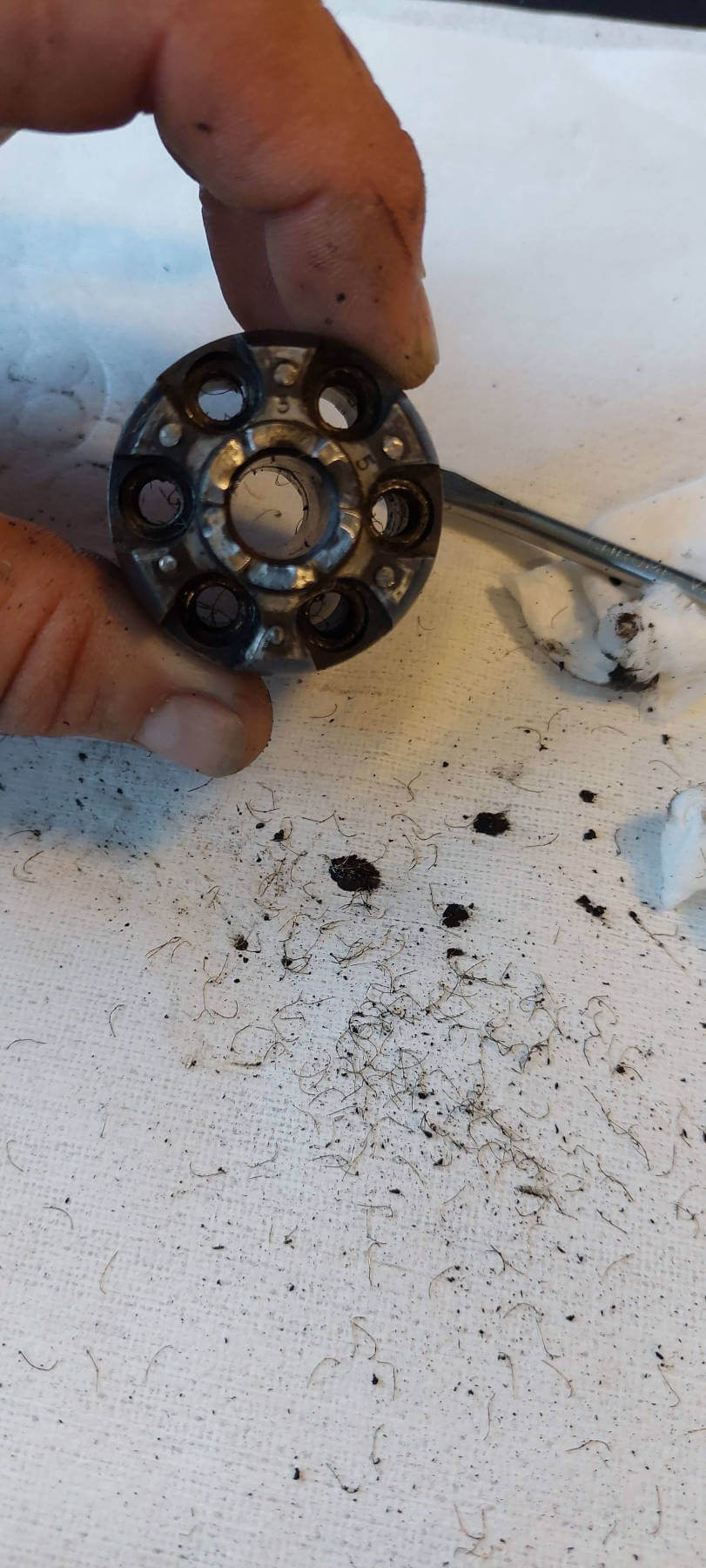
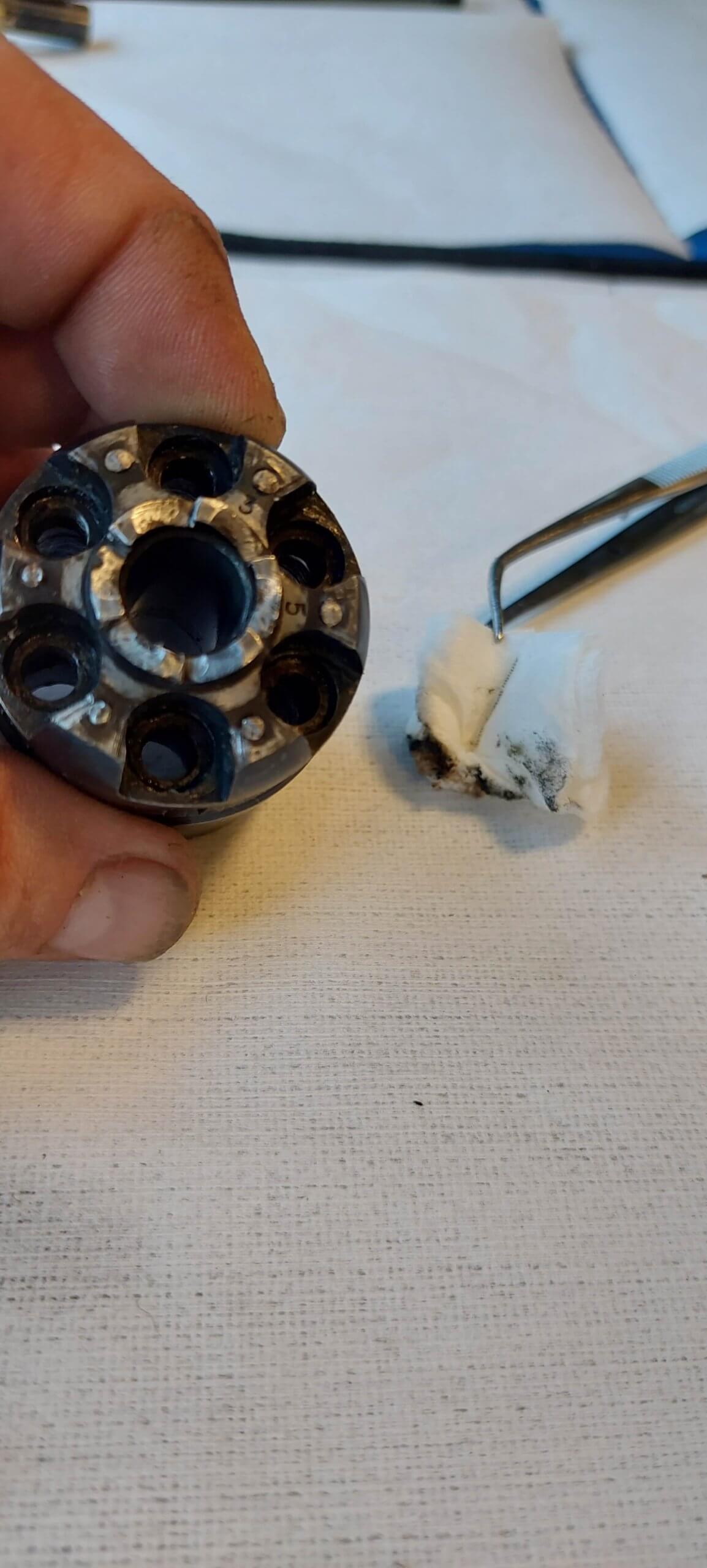
If fouling is hardened or nipples are seized, continue here:
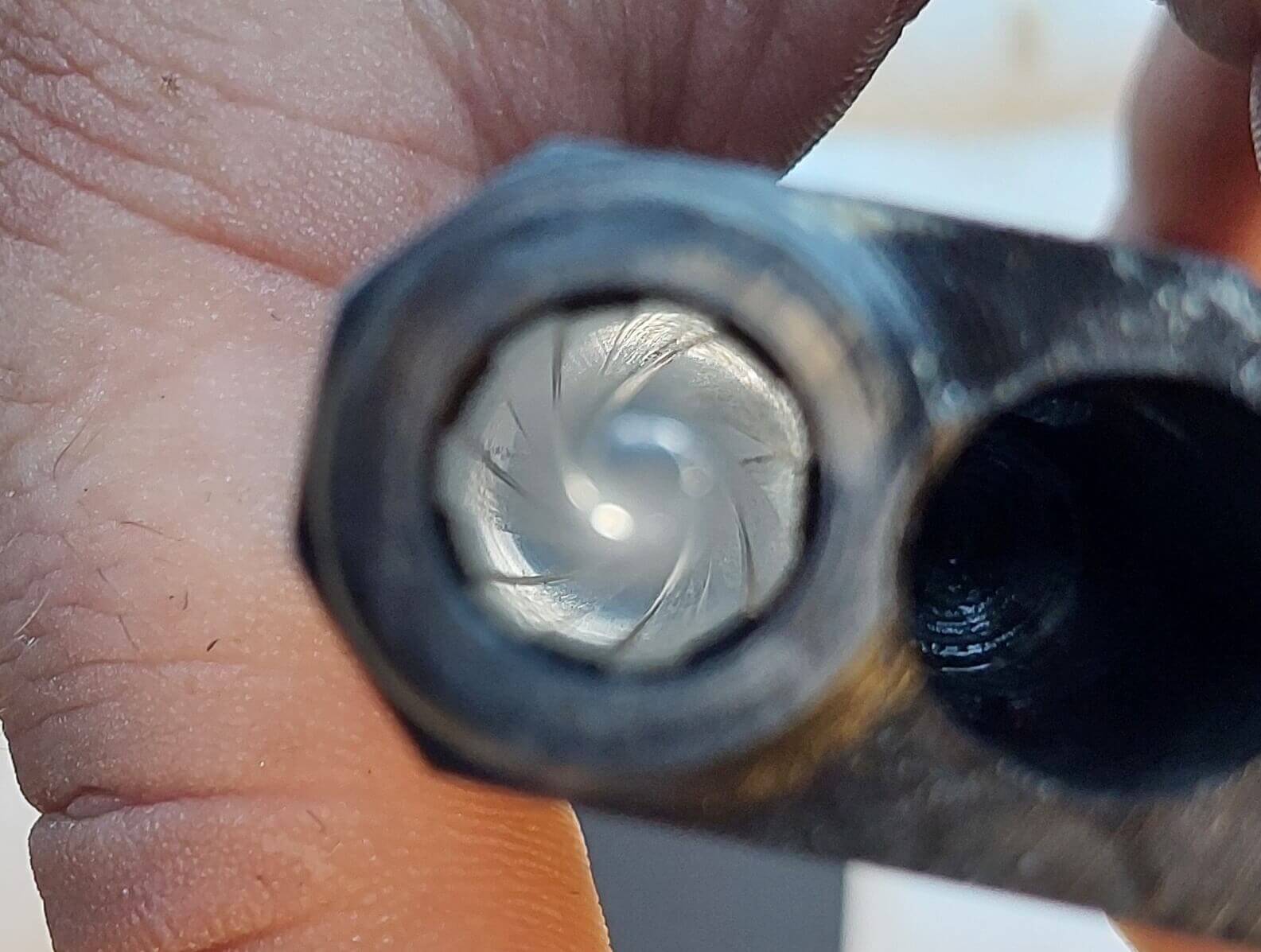
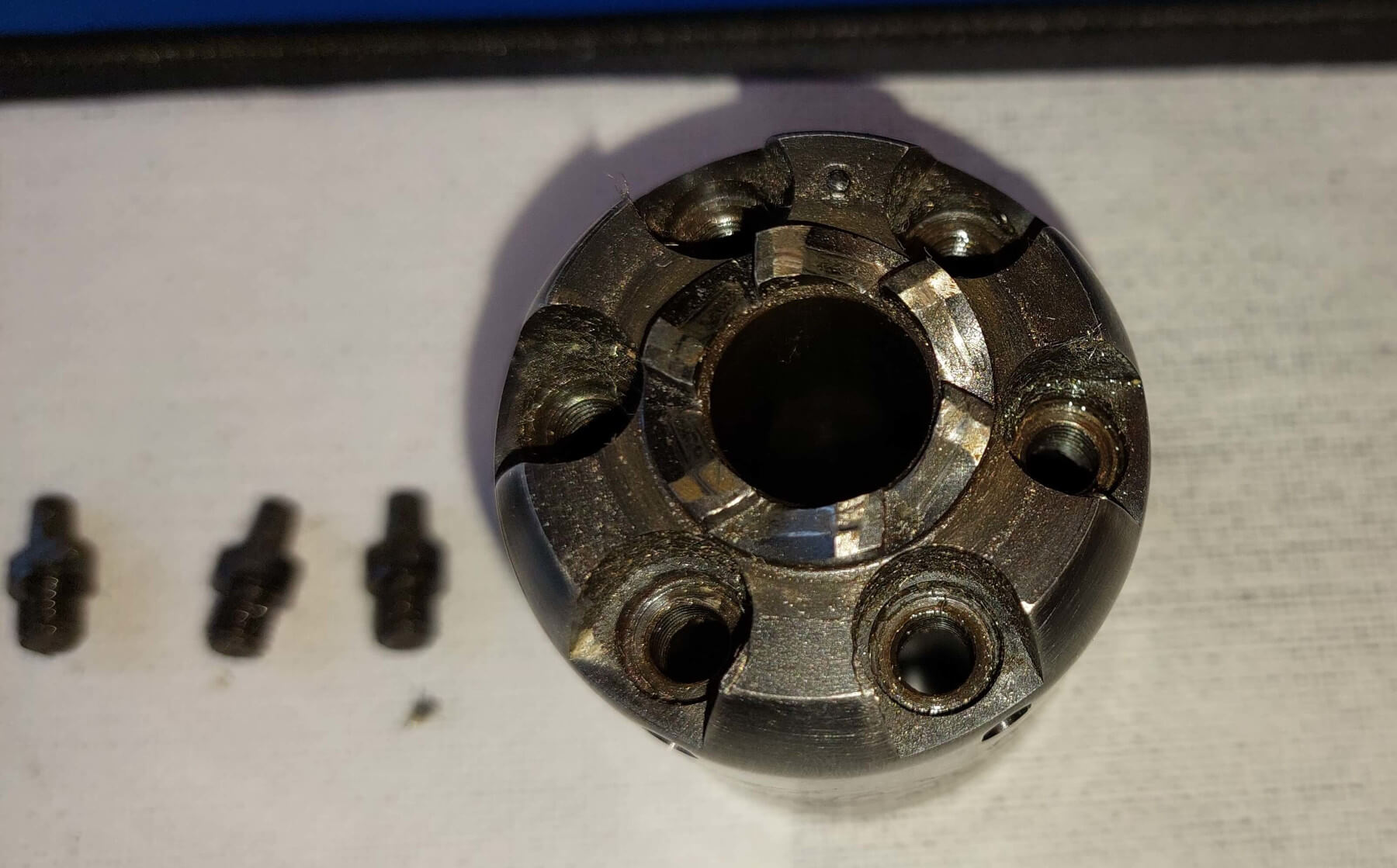
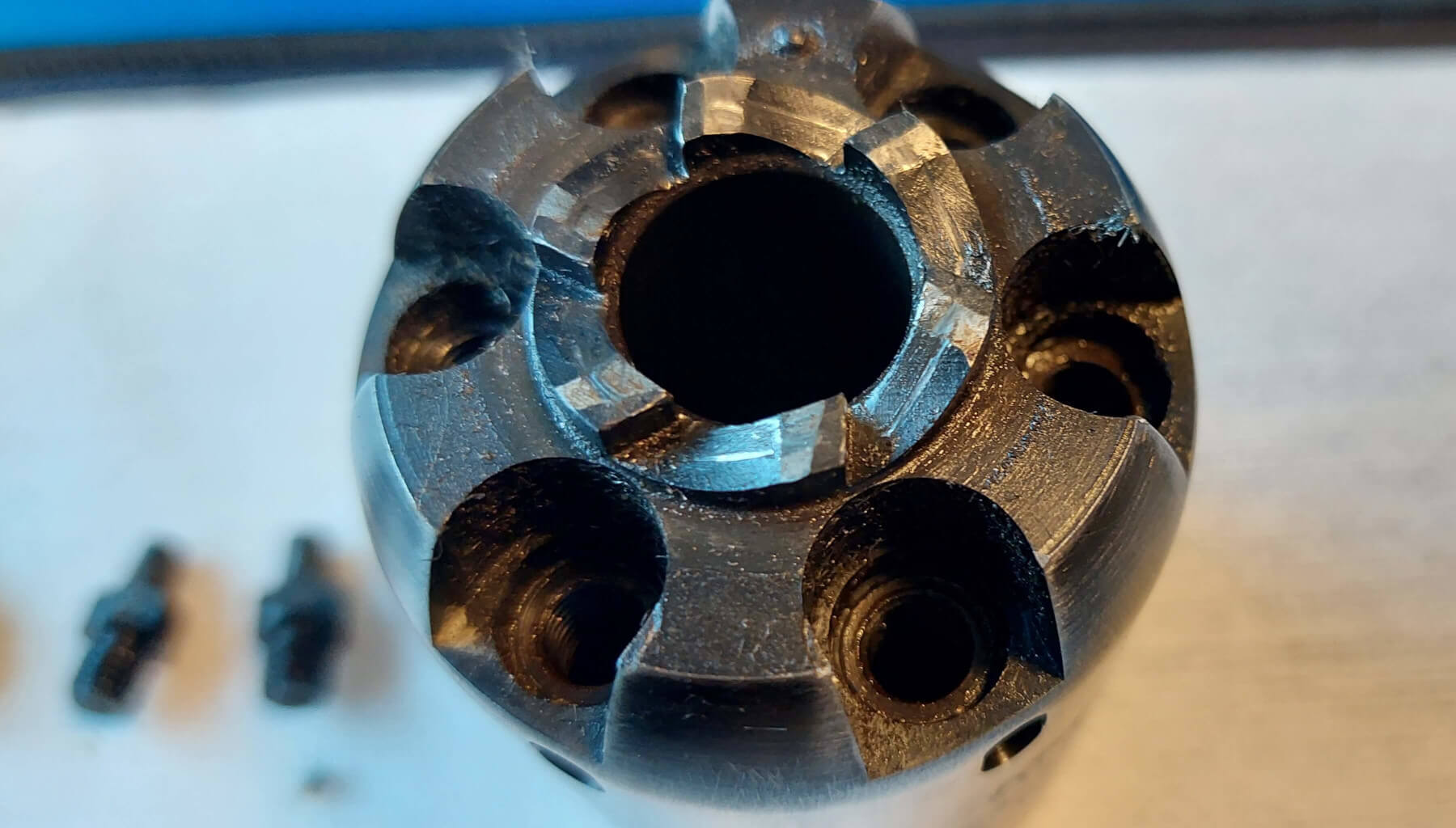
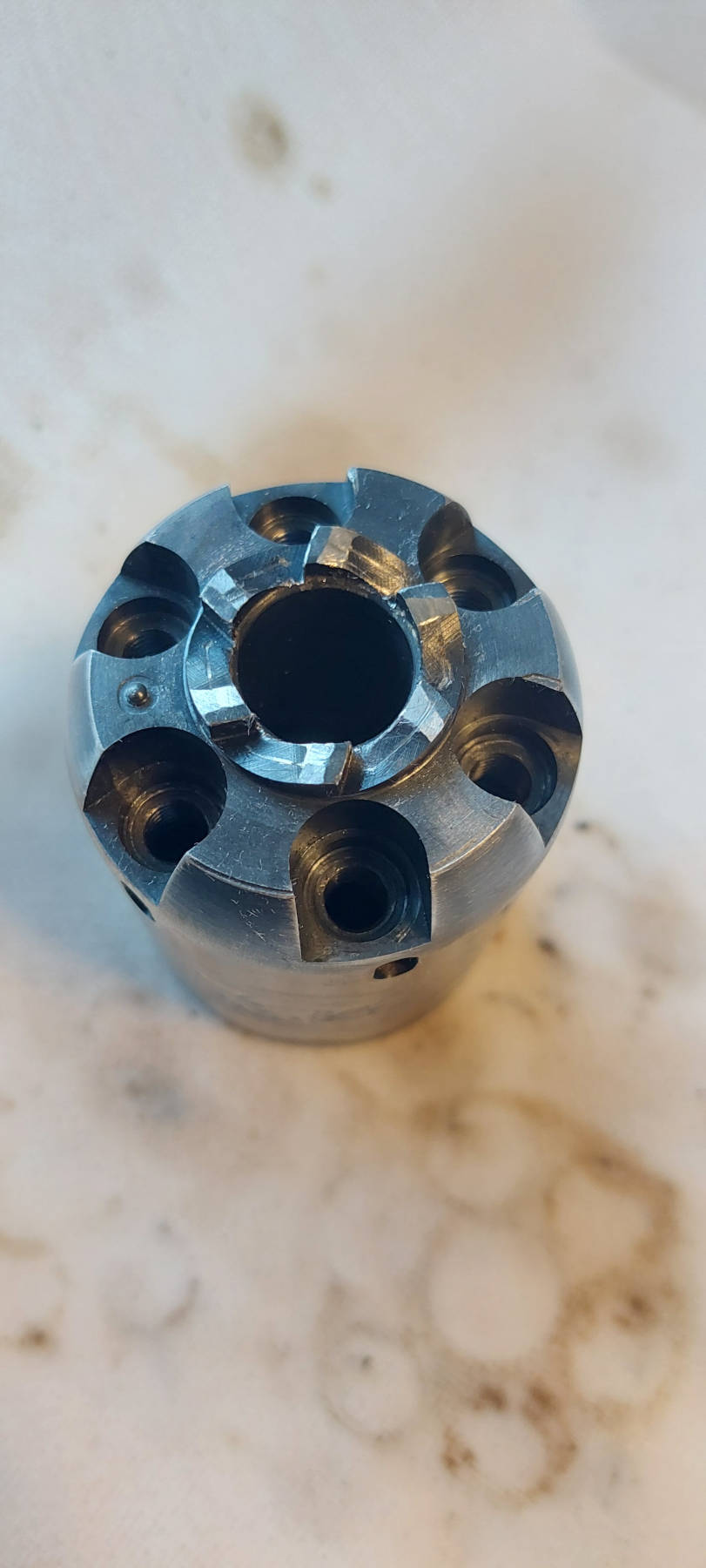
- Apply Gun Cleaner directly to the cylinder and let it sit for 5–10 minutes with the cylinder held vertically, nipples pointing down, so the solvent soaks into the carbon layer.
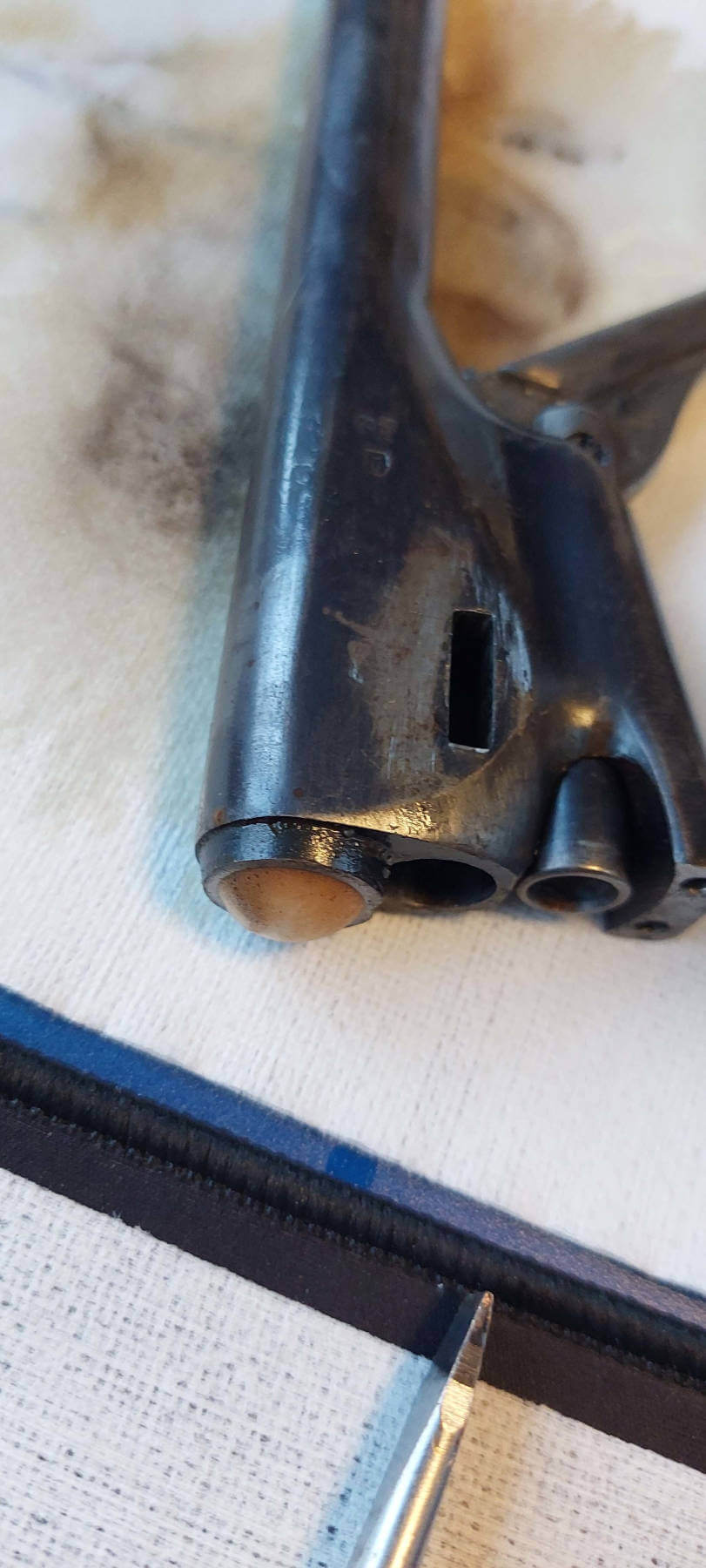
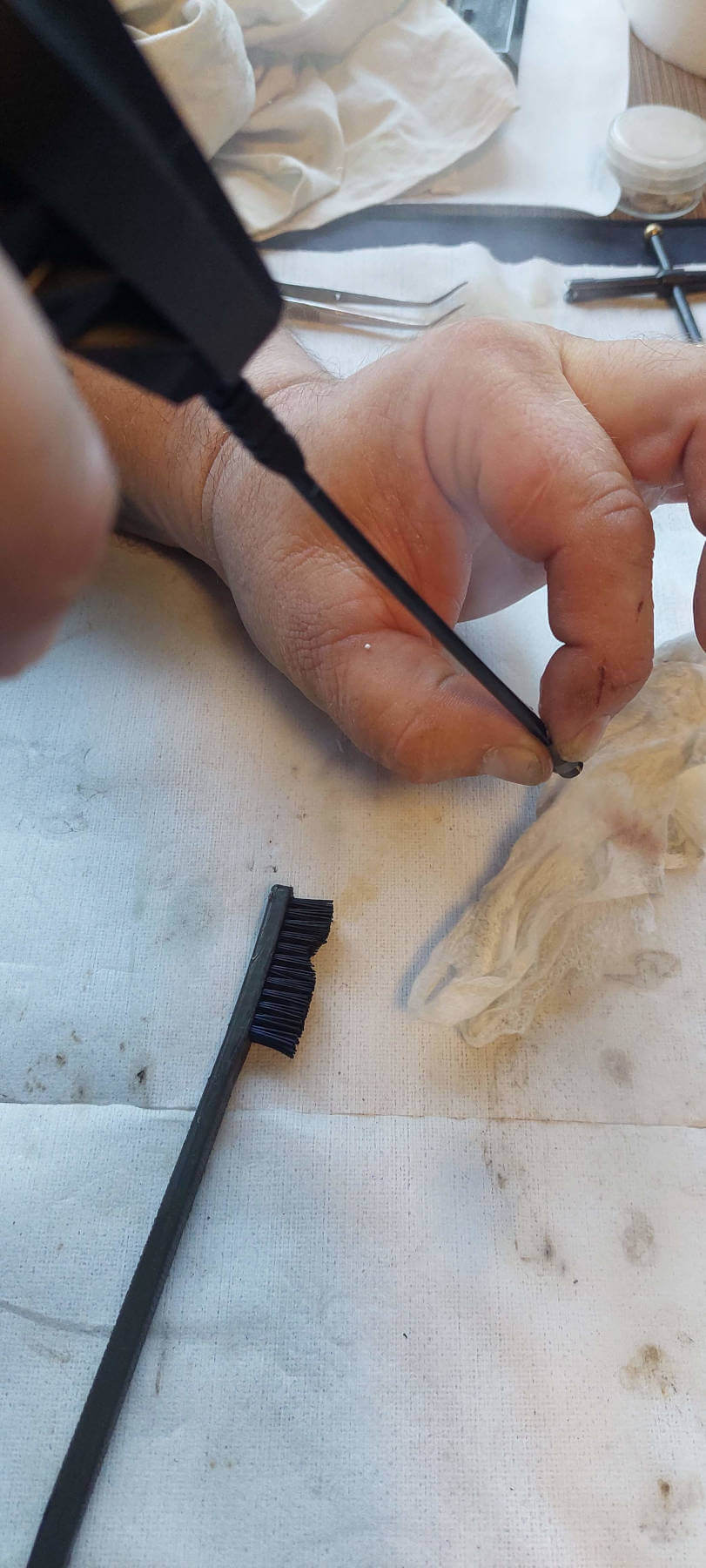
- Wrap a flat screwdriver tip in a small piece of gauze (around 5×5 cm) and scrape the softened fouling out from the chamber side of the cylinder.
- Flush the residue away with Degreaser Cleaner.
- Apply Gun Oil and leave for around 10 minutes (cylinder still nipples-down) so the oil penetrates the nipple threads.
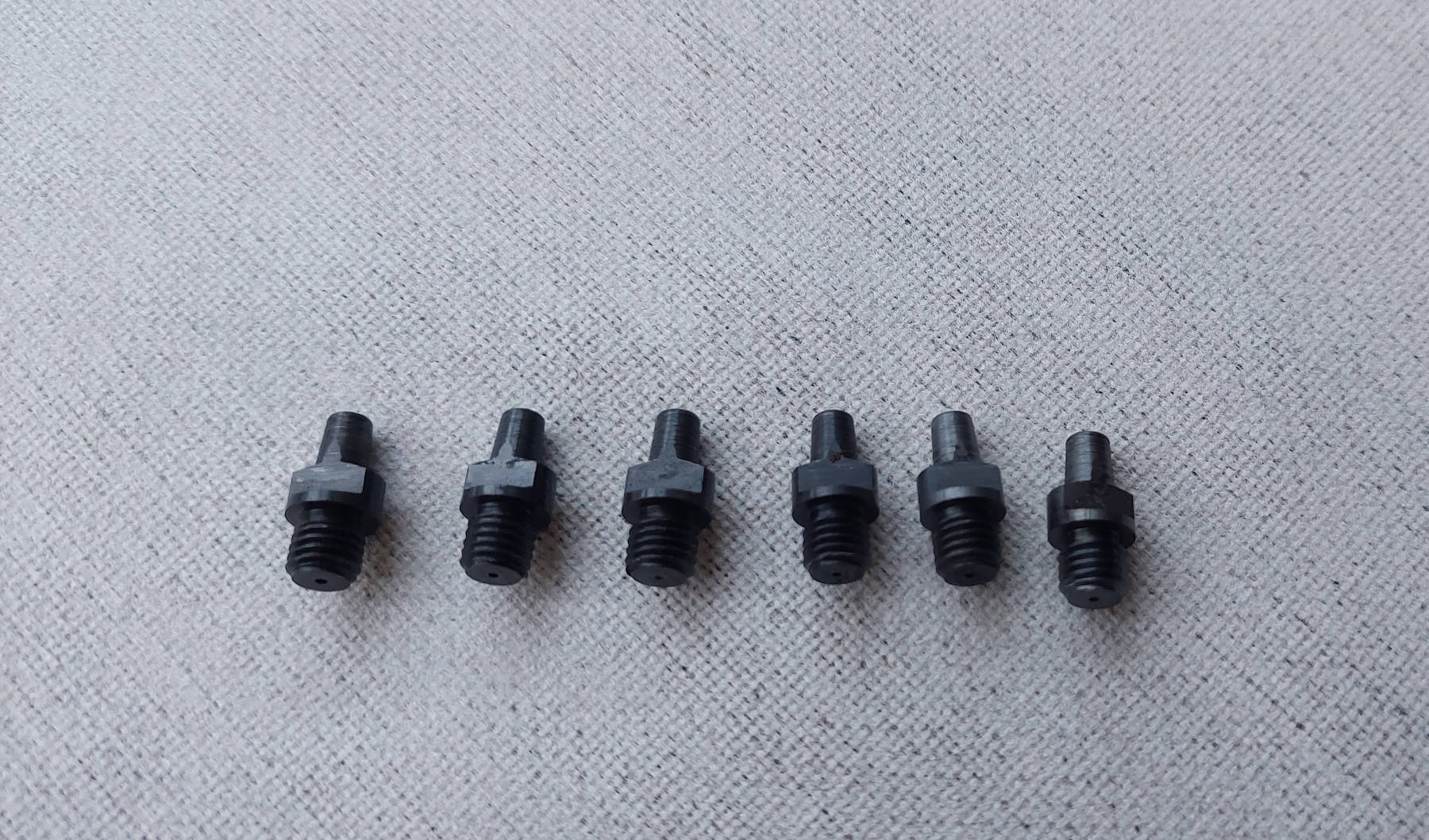
- Unscrew the nipples using a nipple wrench. Securing the cylinder in a bench vice makes this easier.
2. General degreasing:
- Spray Degreaser Cleaner over all components to remove any remaining solvent or cleaning agent.
- Wipe dry with a clean cloth.
3. Lubrication and protection:
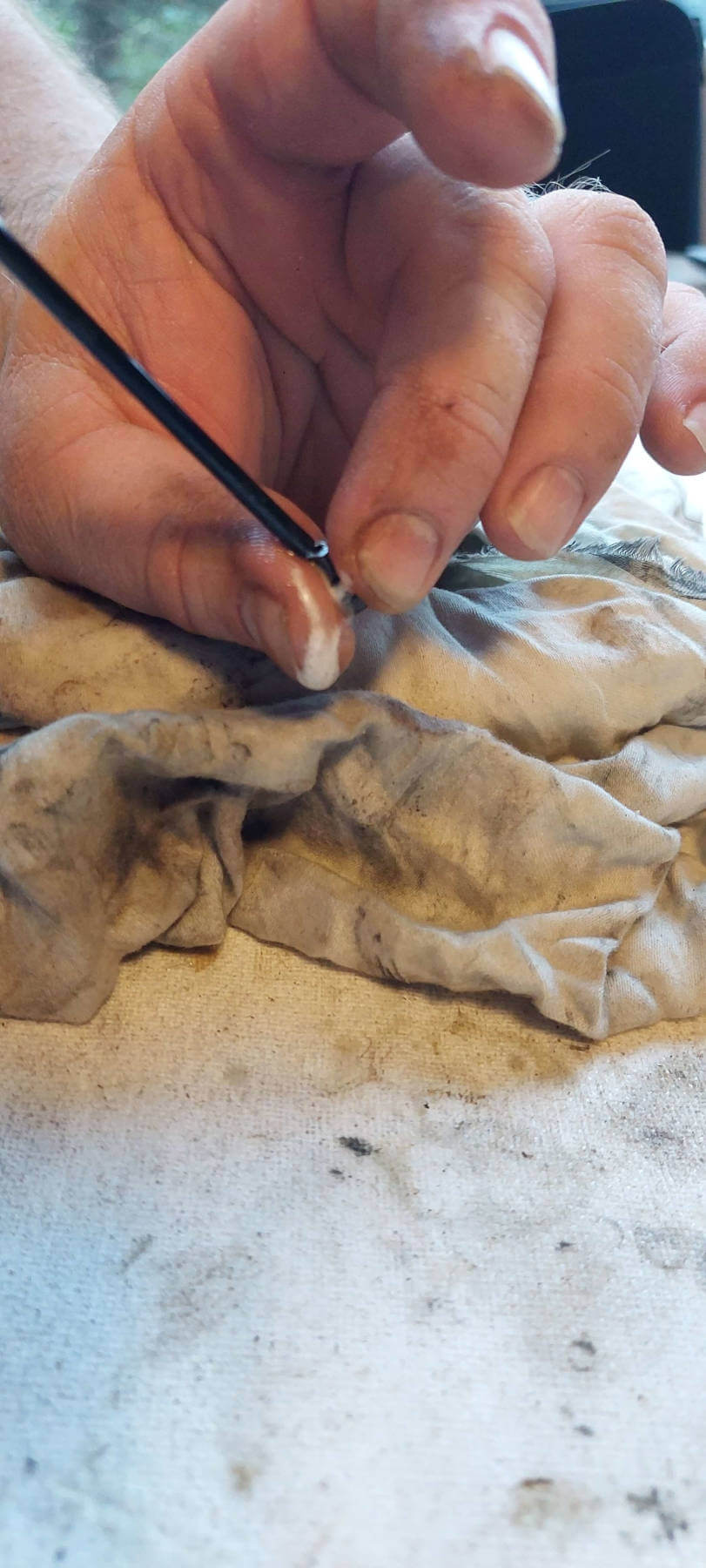
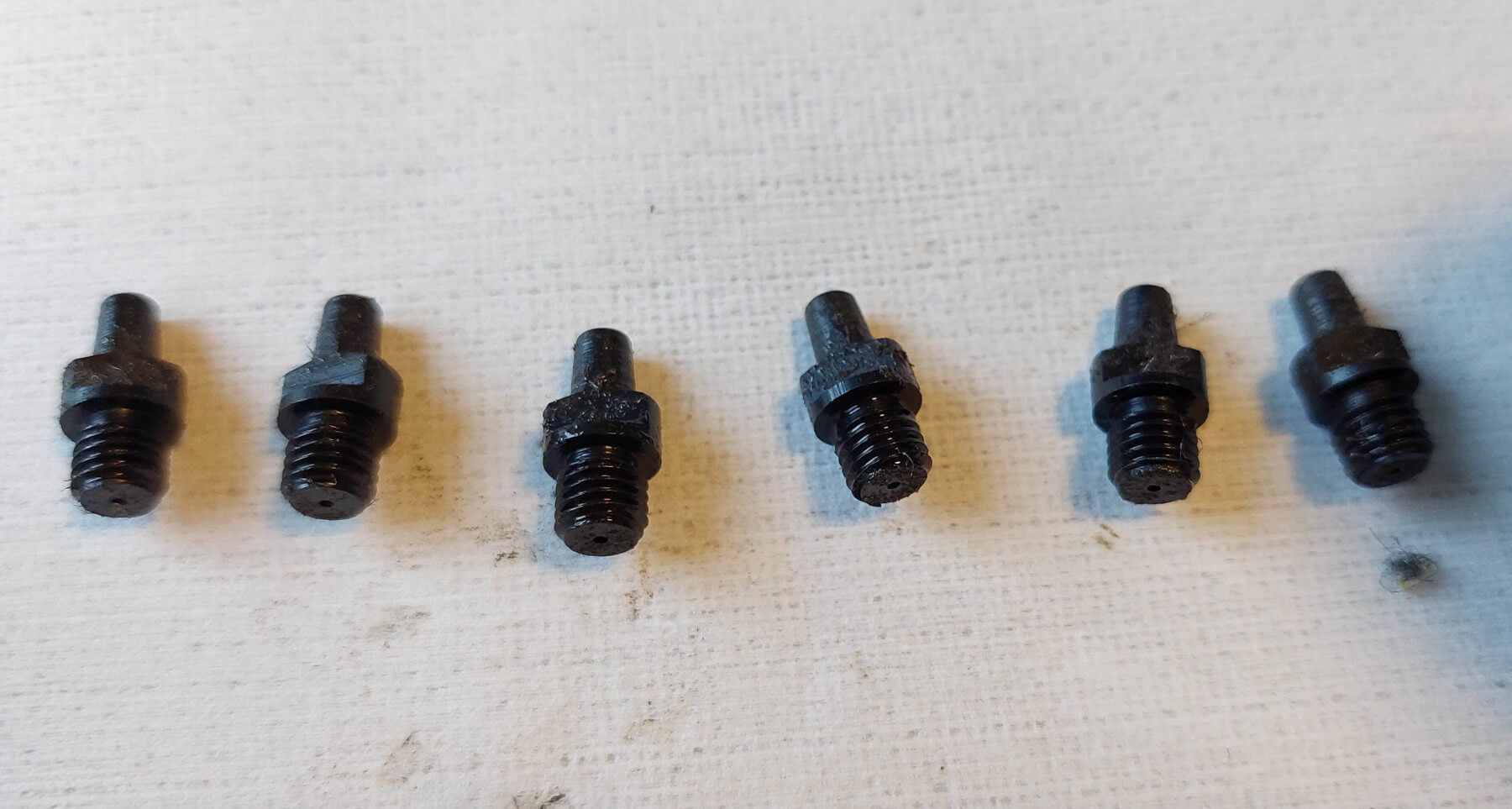
- Apply a very light coat(one droplet) of Synthetic Grease (shake before use) to the nipple threads before reinstalling them. This prevents seizing during future shooting sessions.
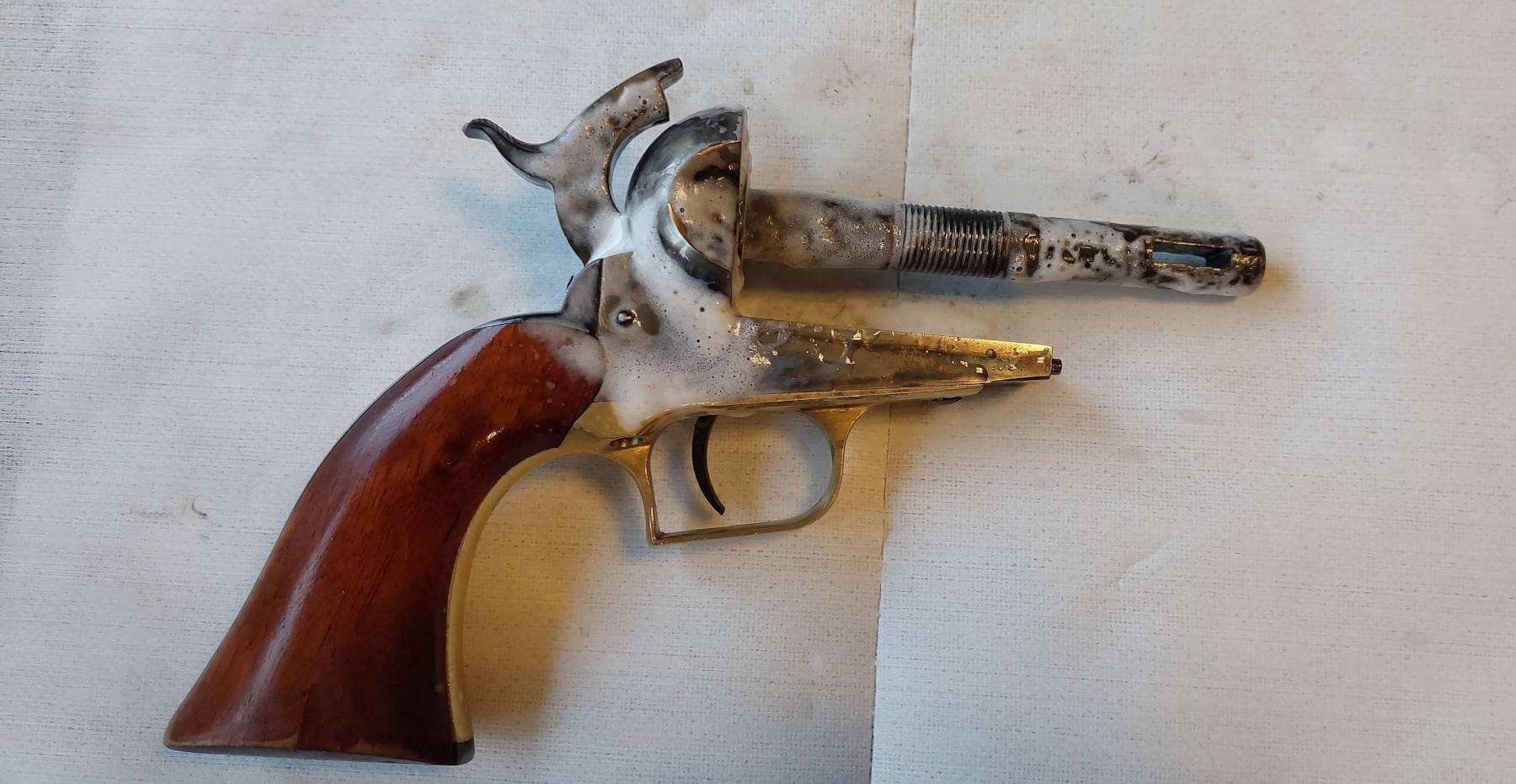
- Apply a thin layer of Gun Oil to all metal parts. The GNP applicator tube allows oil and foam to reach hard-to-access areas; with the tube removed, spread the oil across larger surfaces as if painting a thin, even film.
- Wipe off any excess oil with a cotton cloth, and make sure the bore is dry before the next use.
STEP 5 – Reassembly and Storage
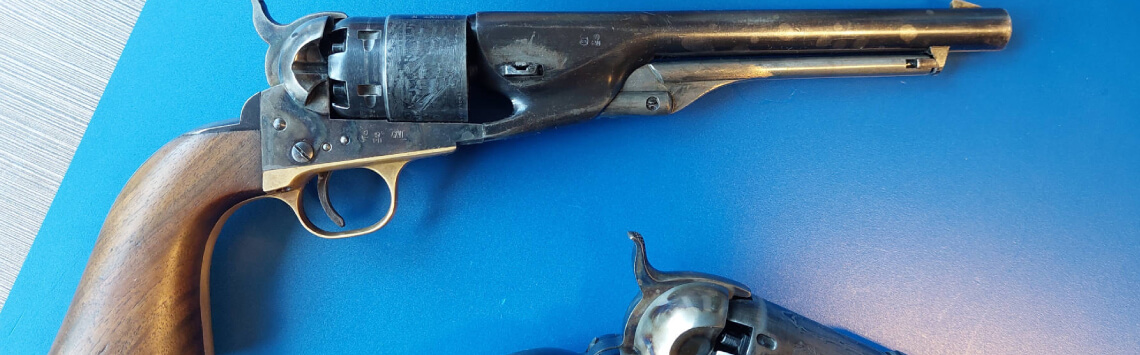
- Reinstall the nipples and reassemble the revolver. Check that the action, cylinder rotation, and lock-up function correctly.
- Store the firearm in a dry, secure place, away from moisture and unauthorised access
NOTE!
To prevent nipples from seizing over time, periodically unscrew them and clean both the threads and the flash channels, even if the revolver has not been heavily used.
Product reference
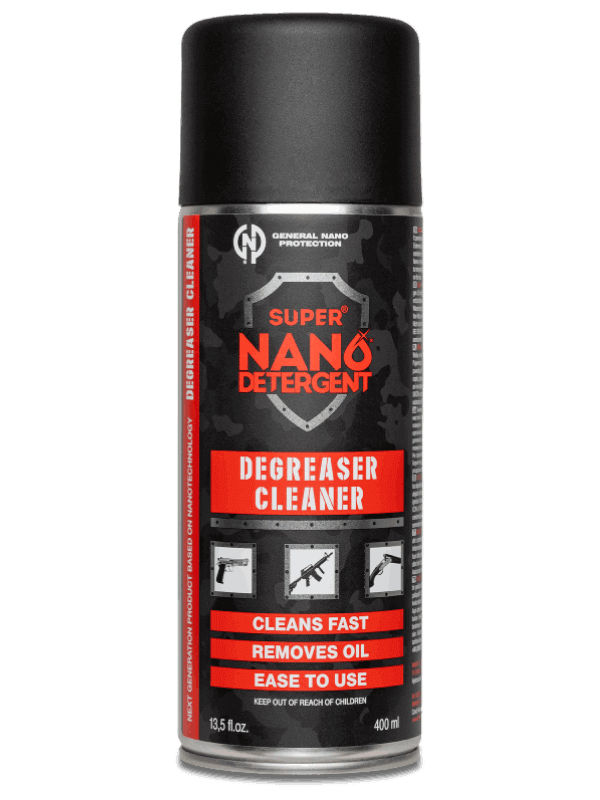
Degreaser Cleaner
- Fast cleaning, degreasing and de-preservation of metal surfaces.
- Removes used oil, dirt, sand and carbon.
- Penetrates hard-to-reach areas.
- 100% water displacement.
- Odourless, leaves no residue.
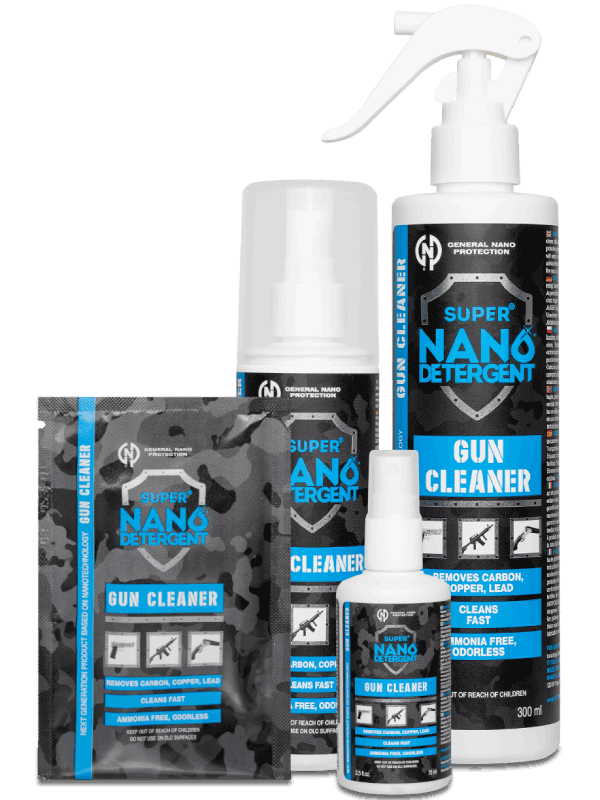
Gun Cleaner
- Dissolves brass deposits and unburned powder residue.
- Reaches every cavity — barrels, compensators, chokes, chambers, suppressors, bolt mechanisms, gas tubes, slides, firing pins and extractor claws.
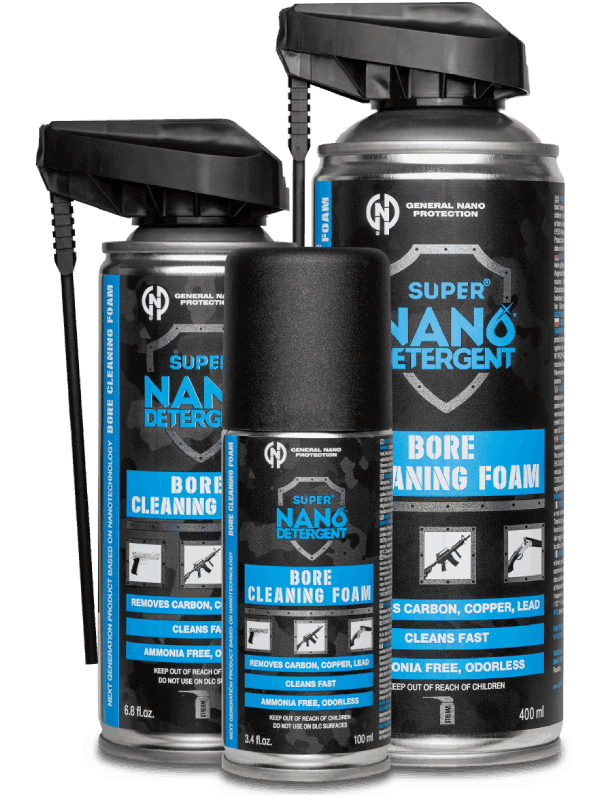
Bore Cleaning Foam
- Recommended for barrels, chambers and suppressors.
- Cleans powder fouling, carbon, lead and copper.
- Short reaction time.
- Non-flammable.
- Contains no ammonia, alcohol or aggressive acids.
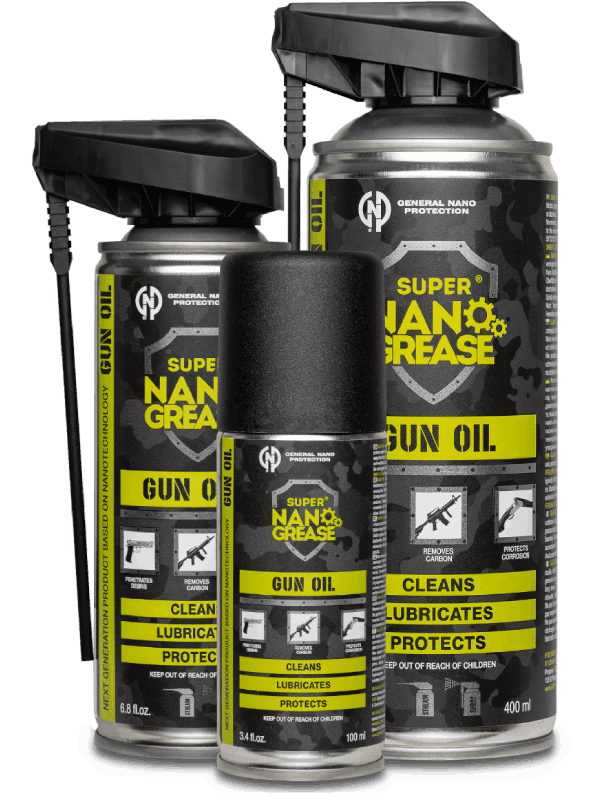
Gun Oil
- Works on wet surfaces.
- Long-term wear and rust protection.
- Penetrates hard-to-reach areas.
- Active from −60 °C to +250 °C (−76 °F to +482 °F).
Synthetic Grease
- Specialist synthetic firearm grease with lubricating and anti-corrosion properties.
- Designed for high-load components — moving parts in contact with one another, where friction and temperature are elevated.
- Recommended wherever the manufacturer specifies grease instead of oil or solid lubricant (e.g. nipple threads on black powder revolvers).
- Performs in all weather conditions across a wide temperature range.
- Safe for plastic, rubber, wood and painted surfaces.

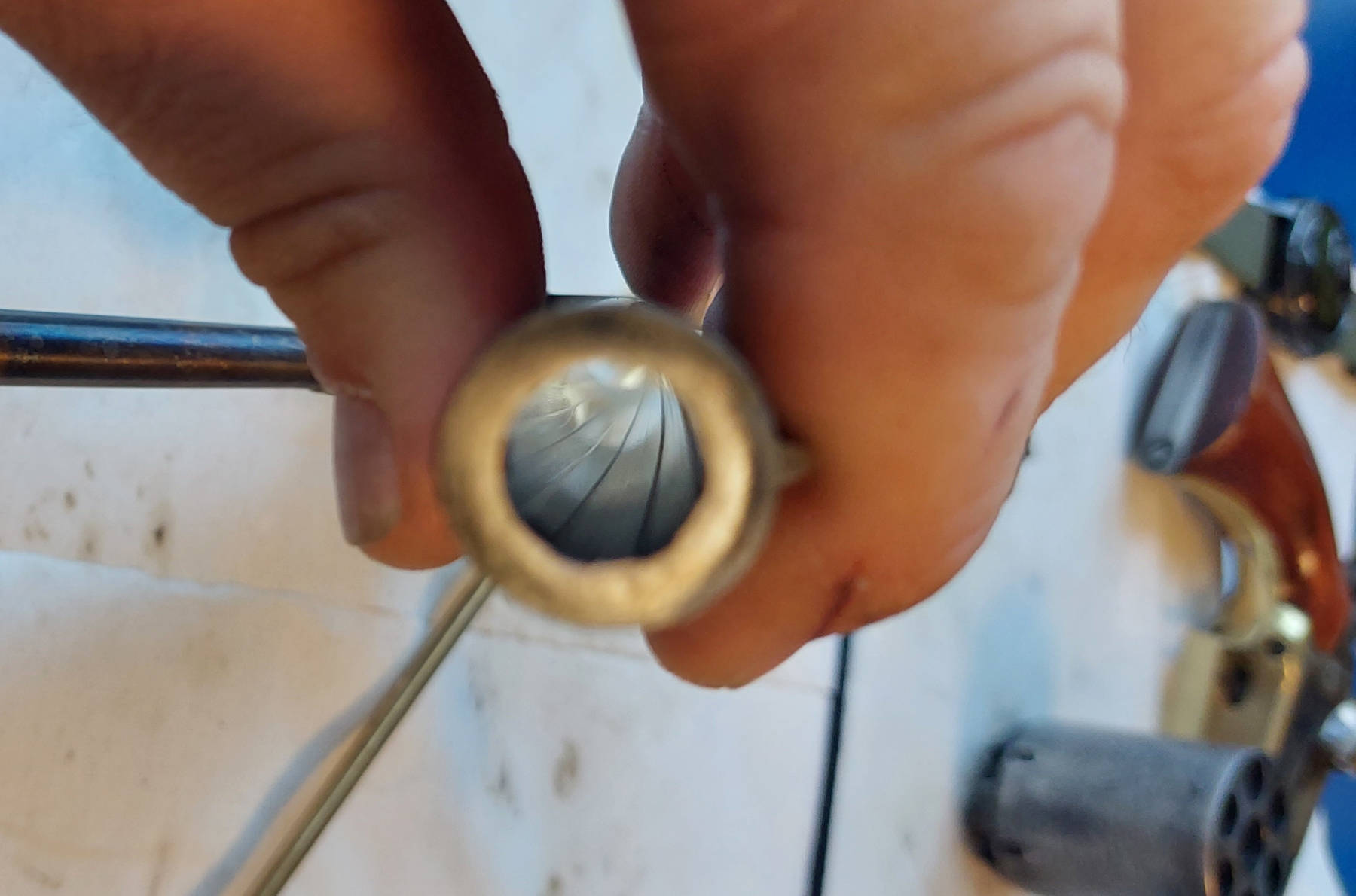
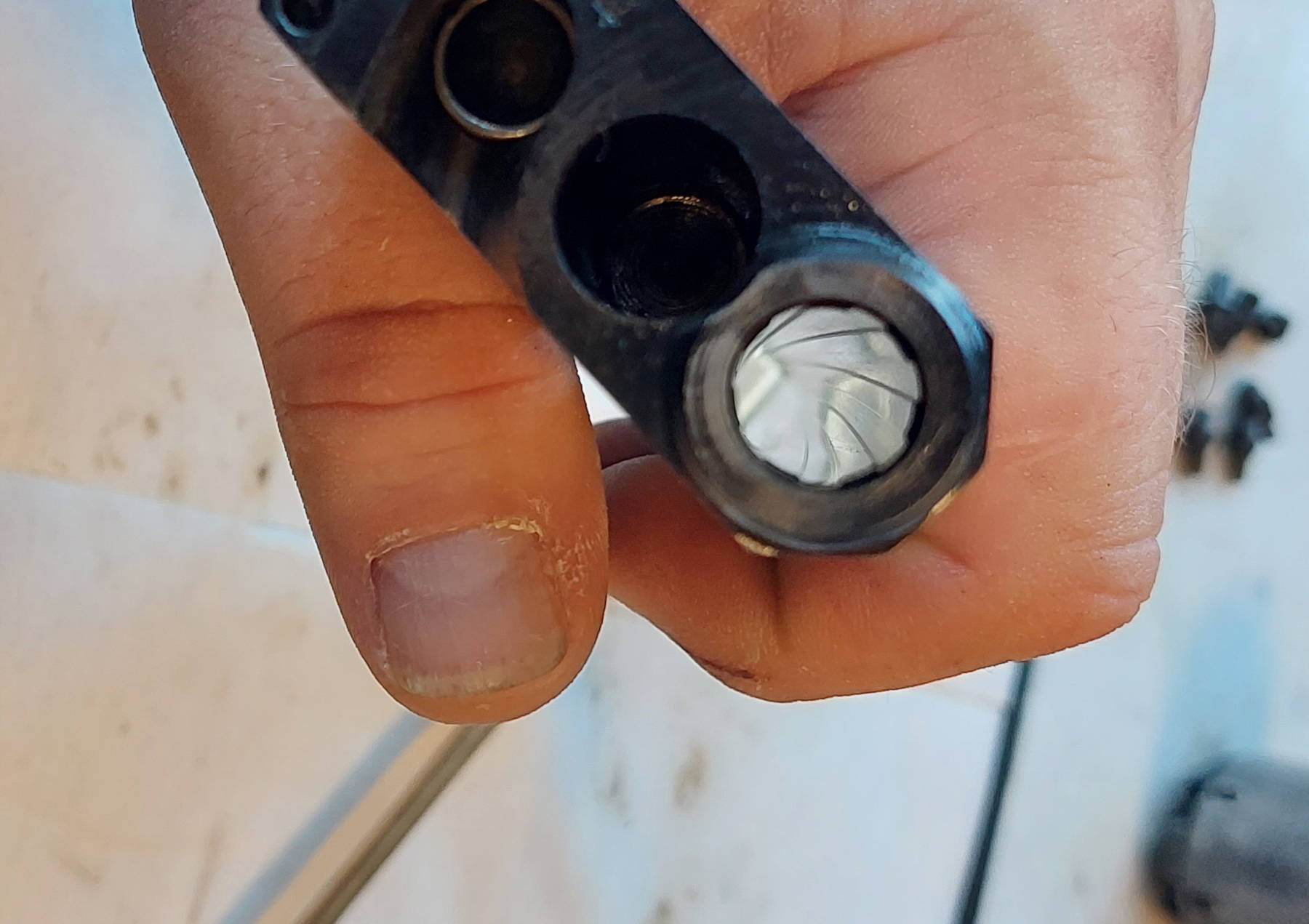
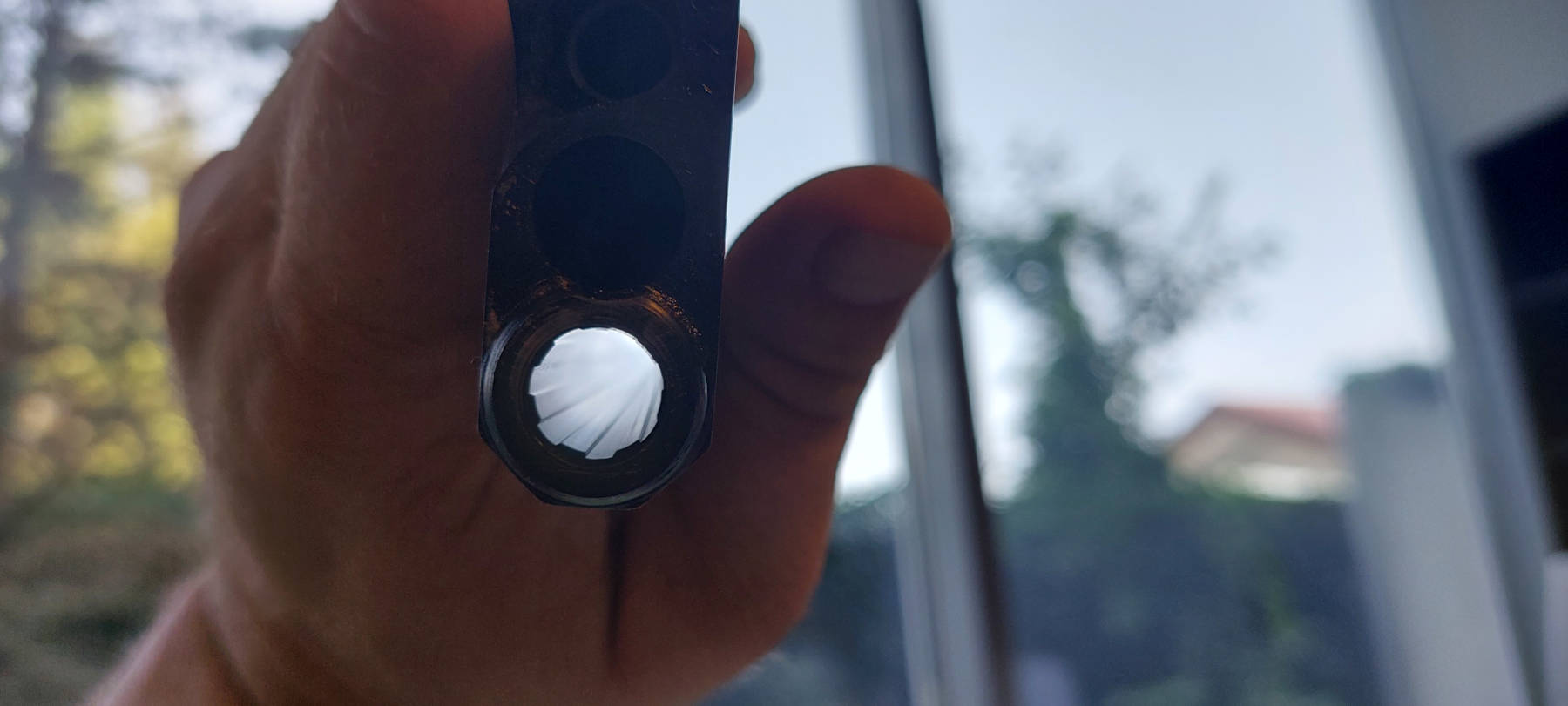
Final Result